Asake's fourth album 'M$NEY' is a bold declaration of his wealth and a toast to the good life. In Nigeria's socioeconomic reality, where wealth and status are celebrated, Asake joins a long line of musicians singing about success. This time, the Afrobeats superstar makes an album to let everyone know he's rich.
A Blatant Display of Wealth
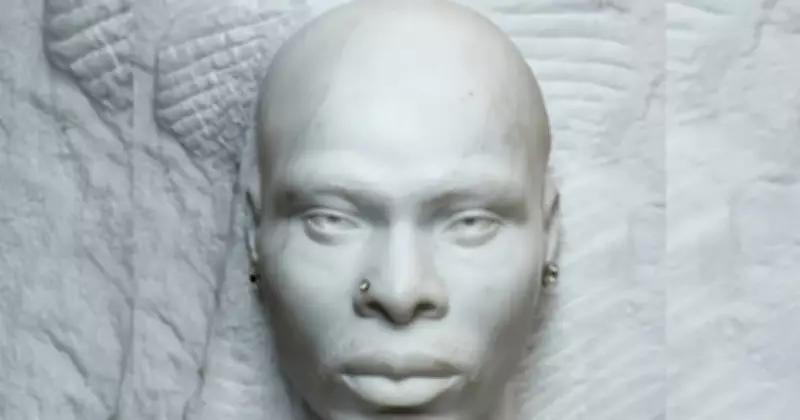
Calling his album 'M$NEY' is a flamboyant and very Nigerian way to inform listeners of his rise up the global pop ladder. Ahead of the release, Asake's rollout centered on his riches: he took up residence in an expensive California neighborhood, splurged billions of naira on luxury cars for himself and his parents, and commissioned a marble sculpture for the album artwork. For Asake, being rich meant trading the hunger of his first two LPs and the ambition of his third for a relaxed, confident, and introspective project.
Performing Success
In Nigeria, wealth is often analyzed and performed. Asake understands this and performs success in a way original to his artistry. He is adventurous with sonics but ensures effortlessness, suggesting he didn't have to try. His lyrics are scanty, using proverbs that imply he can't be bothered. On the track with DJ Snake, he says little, letting gospel keys and electronic drums do the work. On 'Gratitude,' he shrugs off criticism and celebrates the 'credit alerts' that afford him a carefree mindset. On 'Rora,' he relaxes as horns and drums carry the jazz-infused beat, sharing Yoruba proverbs with the panache of Juju music legends.

Introspection and Faith
Asake's introspection delivers strong moments like 'Forgiveness,' reminiscent of his early Amapiano hits. He accepts his shortcomings and pledges consistency in positive actions. A man of faith, Asake went on pilgrimage to Saudi Arabia before the album release. On 'Amen,' he alludes to President Bola Tinubu's famous line 'Emi lo kan' as the power of positive declarations, praying for blessings and guidance. The transition to 'Wa' is a highlight, as he pursues pleasure with romantic melodies and interpolations of classic Nigerian lines, conveying the swagger of a man who lets his status speak.
Money and Happiness
Asake understands that money affords freedom and power. On 'Money Can't Buy Happiness (MCBH),' he reminds listeners to live happily while chasing success. On 'Oba,' he uses a 2Pac sample to flaunt his wealth and tell pocket watchers to get their money up. Collaborations with DJ Snake, Tiakola, and Kabza De Small advance his agenda and uplift his art. However, the album's flaw is its 26-second orchestra opener in Swahili, which seems self-serving. Asake's parsimonious words and relaxed delivery stunt the vibrancy of songs like 'Badman Gangster' and 'Skilful.' Even the length of 'Rora' and 'Why Love' suggests a mindset that less signals wealth.
Asake is rich, and 'M$NEY' is his performance of wealth and a toast to the good life, marked by sublime melodies and fantastic production, even if he spends much of the album proving he doesn't have to try. This album encapsulates his journey, ushering in a new era for a superstar who can afford to take a breather and make easy music that caters to his status.
Rating
Pulse Rating: 7/10

- Album Sequencing: 1.4/2
- Songwriting, Themes, and Delivery: 1.3/2
- Production: 1.7/2
- Enjoyability and Satisfaction: 1.3/2
- Execution: 1.3/2