Dabiri-Erewa and Stakeholders Unveil Health Insurance Scheme for Vulnerable Nigerians
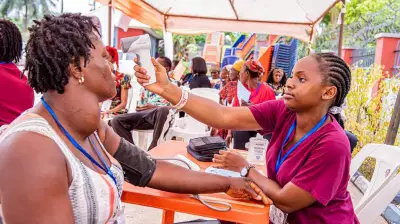
Chairman of the Nigerians in Diaspora Commission, Abike Dabiri-Erewa, has joined forces with key stakeholders to launch the Inclusive Health Insurance Enrolment Programme (IHIEP). This initiative is designed to significantly expand access to affordable healthcare for vulnerable and indigent Nigerians across the country.
Partnerships and Programme Objectives
The programme is spearheaded by the Global Health Charity and Training Foundation in collaboration with the Private Sector Health Alliance of Nigeria. Its primary goal is to enrol economically disadvantaged individuals into existing state health insurance schemes while simultaneously working to strengthen overall healthcare delivery systems nationwide.
During the launch event held in Lagos, Executive Director of the foundation, Adebayo Akintobi, explained that the programme strategically leverages the expertise of Nigerian medical professionals living in the diaspora. This approach aims to build sustainable local healthcare capacity through knowledge transfer and practical support.

Early Successes and State Implementation
Akintobi revealed that the initiative has already demonstrated tangible results, having supported various medical interventions including surgeries and health screenings at Olabisi Onabanjo University Teaching Hospital. Furthermore, approximately 2,000 residents have been successfully enrolled into the Ogun State Health Insurance Scheme through this programme.
Ogun State Commissioner for Health, Tomi Coker, praised the initiative as a significant advancement for vulnerable population groups including children, pregnant women, and elderly citizens. She emphasized the urgent need for Nigerians to embrace health insurance coverage, noting that less than five percent of the population currently benefits from any form of health insurance protection.
Addressing Healthcare Access Gaps
Dabiri-Erewa, who was represented at the launch event, stated that this initiative directly addresses long-standing gaps in healthcare accessibility for Nigeria's most vulnerable citizens. She highlighted how the programme underscores the valuable contributions that the Nigerian diaspora can make toward national development priorities.
Anne Adah-Ogoh of the Private Sector Health Alliance of Nigeria called for enhanced collaboration between public and private sector entities to improve health outcomes across the country. She specifically mentioned the alliance's Adopt-A-Primary Healthcare Facility Programme, which aims to ensure that every Nigerian lives within five kilometres of a fully functional primary healthcare centre.
Programme Rollout and Future Prospects
The Inclusive Health Insurance Enrolment Programme is expected to be implemented across multiple participating states, with beneficiaries being enrolled through accredited state health insurance schemes. This structured approach ensures that vulnerable Nigerians gain access to essential healthcare services while contributing to the broader strengthening of Nigeria's healthcare infrastructure.
The launch represents a critical step toward achieving universal health coverage in Nigeria, particularly for those who have historically faced barriers to accessing affordable medical care. By combining diaspora expertise with local implementation, the programme creates a sustainable model for healthcare improvement that could be replicated across various regions of the country.