El-Rufai Accuses ICPC of Political Persecution, Invokes Right to Silence
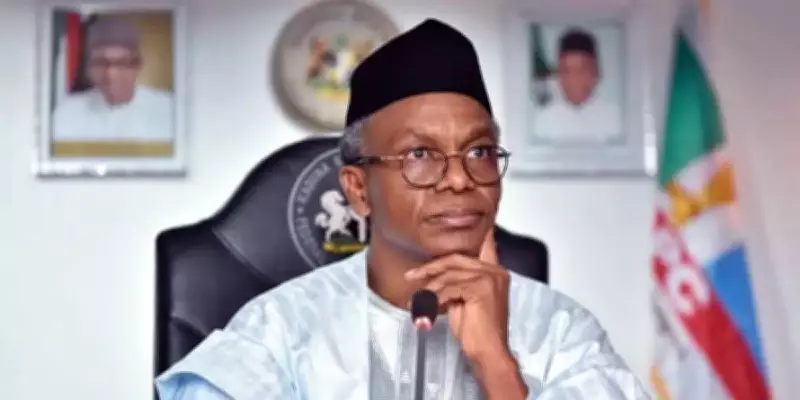
Nasir El-Rufai, the former governor of Kaduna State, has launched a strong rebuke against the Independent Corrupt Practices and Other Related Offences Commission, labeling their ongoing investigation into his activities as politically motivated. The ex-minister of the Federal Capital Territory, who has been in the custody of the anti-graft agency since February 19, 2026, after his release by the Economic and Financial Crimes Commission, made these assertions in handwritten statements obtained by ICPC investigators.
Details of the Investigation and El-Rufai's Statements
According to documents referenced in a counter-affidavit filed at the FCT High Court, ICPC investigators secured handwritten statements from El-Rufai on February 19 and February 20, 2026. These statements were taken in the presence of his legal counsel, Ubong Akpan, as part of the probe into alleged financial impropriety during his tenure as governor from 2015 to 2023.
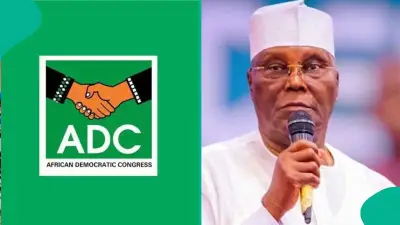
In his February 19 statement, El-Rufai explicitly linked the investigation to his political affiliation, stating, "I am a leading member of the African Democratic Congress, the only surviving opposition party in Nigeria, which is the real reason you are investigating me." He further declared his intention to exercise his constitutional right to remain silent, refusing to answer any questions from the investigators.

El-Rufai's Legal Strategy and Demands
El-Rufai emphasized that, on the advice of his counsel, he would make no further statements or respond to any inquiries. He argued that after nearly two years of intensive investigation, the ICPC should present its findings to a judicial tribunal rather than continuing to question him. "I will respond to any allegations in a court of law only," he asserted, framing the probe as political persecution that should be adjudicated by a judge.
In his second statement on February 20, the former governor reiterated his stance, declining to answer questions and maintaining that he would address the allegations solely in a legal setting. This investigation is part of broader scrutiny into the finances and policies implemented during El-Rufai's administration in Kaduna State, highlighting ongoing tensions between political figures and anti-corruption agencies in Nigeria.