The International Monetary Fund has advised the Nigerian government to introduce new taxes on fuel and telecommunications services as part of a broader push to raise revenue, even as it acknowledged that the country's poverty and food insecurity situation demands caution about the timing of any such moves.
IMF Recommendation for New Taxes
The recommendation appeared in the IMF's 2026 Article IV Consultation report on Nigeria, an annual assessment the Fund conducts on member countries. In plain terms, the IMF is telling Abuja it needs more money coming in, and it has identified two sensitive areas as potential sources: what Nigerians pay at the pump and what they pay for phone calls and data.
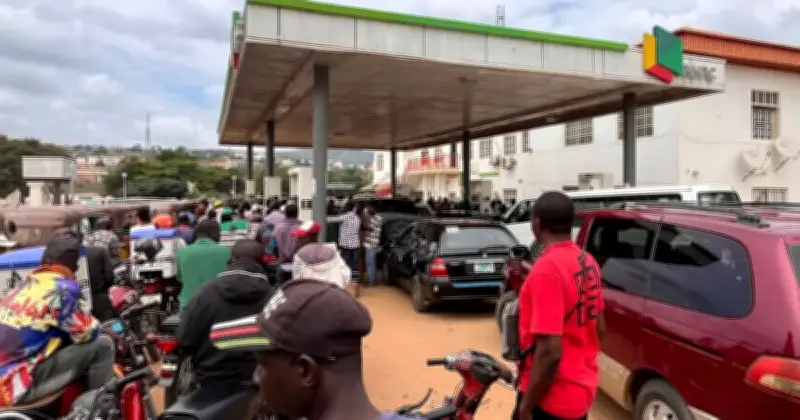
For the average Nigerian, if the government acts on this advice, fuel could get more expensive, and airtime and data bills could go up as well.

Additional Tax Measures Proposed
The IMF also recommended raising the Value Added Tax rate, which currently sits at 7.5 percent, and closing loopholes that allow certain industries to avoid paying their full share. Taken together, the Fund projected these measures could generate additional revenue worth 3.9 percent of Nigeria's Gross Domestic Product within three years, a significant sum for a government that has struggled to fund basic services.
None of this is new territory, and none of it is uncontested. A previous attempt to slap a five percent excise duty on telecom services was met with fierce resistance from network operators, subscribers, and consumer groups before the government quietly dropped it.
Potential Impact on Consumers
Telecom companies had warned then, as they likely will again, that any new levy would be passed directly to customers through higher charges. On the fuel side, labour unions and business groups have consistently pushed back against anything that raises pump prices further, particularly after the removal of petrol subsidies already drove up transport and food costs across the country.
Poverty and Food Security Considerations
The IMF is aware of the tension. Its report explicitly stated that the timing of any new taxes must account for Nigeria's worsening poverty levels and food insecurity, and that a functioning cash transfer system for vulnerable households should be in place before any increases take effect. Nigeria currently ranks as the country with the lowest quality of life globally, a context that makes the politics of new taxation particularly fraught.
Enforcement of Existing Taxes
Outside the new taxes, the Fund said stronger enforcement of existing ones could be even more impactful, projecting that improved compliance and anti-informality measures could yield an additional 3.1 percent of GDP, more than the new taxes themselves.
The IMF's overall projection is that combining new taxes, better enforcement, and some relief measures for low-income earners would produce a net revenue gain of 4.6 percent of GDP over the medium term if the government moves on any of it. How much public resistance it faces if it does remains to be seen.