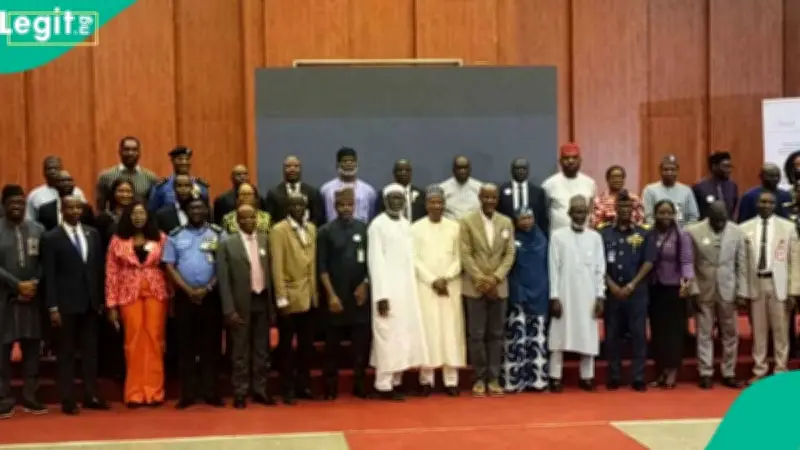
The Institute for Peace and Conflict Resolution (IPCR) has underscored the importance of responsible communication in addressing ethnic tensions and security challenges in Nigeria. This comes as stakeholders validated new Anti-Ethnic Stereotyping and Profiling Toolkits designed for media and security organizations.
IPCR Director General Highlights Strategic Importance
Joseph Ochogwu, the Director General of IPCR, stated that the initiative represents a major step toward promoting peace, stability, and national cohesion. He made these remarks during an expert validation meeting held at the institute’s headquarters in Abuja. Represented by Gerald Okafor, Director of Internal Conflict Prevention and Resolution, Ochogwu emphasized that the toolkits are vital in tackling narratives that could threaten peaceful coexistence.
“Our gathering today for the validation of the Anti-Ethnic Stereotyping and Profiling Toolkits is not only necessary but also strategic in rescuing our dear nation from threats to peace, security, stability, and progress,” he said.

Collaboration With Beacon Security and WISER
The IPCR boss commended Beacon Security and Intelligence Limited and the WhiteInk Institute for Strategy, Education and Research (WISER) for developing the documents. He described their efforts as a contribution toward strengthening responsible communication in Nigeria.
Retired Brigadier General Saleh Bala, President and Founder of WISER, stated that the toolkits were created to address harmful language and narratives that could deepen divisions. “The language, narratives, and labels used in reporting and communication can have far-reaching consequences. They can either foster understanding, inclusion, and peace, or inadvertently reinforce stereotypes, encourage ethnic profiling, deepen divisions, and fuel mistrust among communities,” Bala warned.
Social Media Amplifies Stereotypes
Bala noted that the challenge extends beyond traditional media, as social media platforms have increased the speed at which stereotypes and misinformation spread. The Managing Director of Beacon Security and Intelligence Limited, Kabiru Adamu, explained that the project was built on the understanding that language influences public perception, policy decisions, and conflict dynamics. He added that words used by security agencies, policymakers, and journalists could either reduce tensions or worsen existing divisions.
Validation Meeting Brings Together Key Stakeholders
The validation meeting brought together security officials, media professionals, academics, civil society groups, and development partners to review the toolkits ahead of their official launch. The toolkits aim to curb ethnic profiling and promote responsible communication in Nigeria.