President Directs Anti-Corruption Body to Investigate Phantom Agency
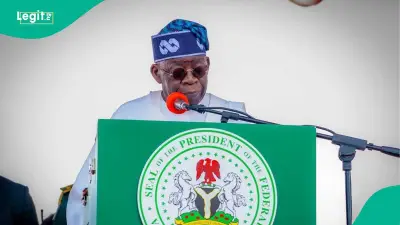
President Bola Tinubu has ordered the Independent Corrupt Practices and Other Related Offences Commission (ICPC) to conduct a thorough investigation into the existence and operations of a fake presidential agency. The directive, which carries a 30-day deadline, was issued after reports emerged of individuals impersonating officials of a non-existent government body to defraud unsuspecting victims.
Details of the Fraudulent Scheme
According to a statement from the Presidency, the fake agency had been operating under the guise of a presidential task force or commission, purportedly authorized to carry out specific government functions. The impostors allegedly solicited bribes and made false promises of contracts, appointments, or influence peddling. The Presidency described the activities as a serious breach of public trust and a threat to national security.
The ICPC has been mandated to identify the perpetrators, uncover their modus operandi, and recommend appropriate legal actions. The commission is expected to submit its report within 30 days, after which the government will take decisive steps to dismantle the network and prevent future occurrences.

Government's Commitment to Accountability
In a press briefing, the Special Adviser to the President on Media and Publicity, Ajuri Ngelale, emphasized that the directive underscores President Tinubu's commitment to transparency and accountability in governance. He stated, "The President has zero tolerance for any form of corruption or impersonation that undermines the integrity of government institutions. The ICPC has been given clear instructions to get to the root of this matter and ensure that justice is served."
Ngelale further revealed that the government has received multiple complaints from citizens and businesses who were targeted by the fake agency. Some victims reported losing significant sums of money, while others were tricked into sharing sensitive information.
ICPC's Mandate and Next Steps
The ICPC, as an independent anti-corruption agency, has the legal authority to investigate and prosecute cases of corruption, including impersonation of government officials. The commission is expected to collaborate with other security and intelligence agencies to track down the culprits. Sources within the ICPC indicate that preliminary investigations have already begun, focusing on identifying the individuals and networks behind the scheme.
The government has also warned the public to remain vigilant and report any suspicious activities claiming to be from presidential agencies. Citizens are advised to verify the authenticity of any government-related requests through official channels.
Broader Implications for Anti-Corruption Efforts
This development comes amid broader efforts by the Tinubu administration to strengthen anti-corruption mechanisms and restore public confidence in government institutions. The President has repeatedly vowed to tackle corruption head-on, and this directive is seen as a test of his administration's resolve. Observers note that the 30-day timeline is unusually tight, signaling the urgency with which the government views the matter.
If the ICPC successfully uncovers the perpetrators, it could serve as a deterrent to others considering similar fraudulent schemes. However, critics argue that the government must also address systemic weaknesses that allow such impersonations to occur, including better public education and stricter penalties for offenders.