Speaker Abbas Unveils Rationale Behind Hybrid Voting System in Electoral Act Amendment
The Speaker of the House of Representatives, Rep. Abbas Tajudeen, has provided detailed insights into why the National Assembly incorporated both electronic and manual transmission of election results in the recently amended Electoral Act. This strategic move aims to safeguard against potential voter disenfranchisement during the upcoming 2027 general elections.
Addressing Nigeria's Digital Divide
During a courtesy visit from the Spanish Ambassador to Nigeria, Ambassador Felix Costales, at his Abuja office, Speaker Abbas emphasized the critical need for a hybrid voting system. He referenced a report from the Nigerian Communications Commission (NCC) indicating that approximately 40% of Nigeria's territories lack adequate internet coverage.
"If we were to introduce only the electronic system, it would further reduce voter participation because 40% of the country would probably not be able to vote due to inadequate internet services," Abbas stated. "This would not only disenfranchise voters but could also result in the lowest voter turnout in Nigeria's electoral history."

Senate's Emergency Resolution
The Nigerian Senate recently approved electronic transmission of election results to the Independent National Electoral Commission's (INEC) IReV portal during an emergency plenary session in Abuja. However, lawmakers designated Form EC8A as a backup mechanism should electronic transmission encounter technical failures.
Abbas explained that the National Assembly's wisdom in creating a hybrid system ensures electoral integrity across diverse geographical contexts. "Where electronic transmission is feasible, we use it; where it's not possible, we employ manual methods," he clarified. "No single form, particularly electronic, can be universally applied across all regions of Nigeria."
Political Reactions and Controversies
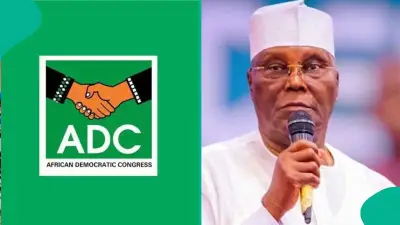
The decision has sparked significant political discourse. Former Vice President Atiku Abubakar condemned the Senate's rejection of mandatory real-time electronic transmission, describing it as a deliberate assault on electoral transparency that could undermine public trust in Nigeria's democratic processes.
Atiku urged Nigerian citizens, civil society organizations, media outlets, and the international community to continue advocating for comprehensive electoral reforms ahead of the 2027 elections.
Legislative Turmoil
The Senate previously experienced chaotic scenes during an emergency session convened to adopt the Votes and Proceedings from the February 4 sitting when the Electoral Bill was passed. The controversy centered on removing a clause mandating real-time electronic transmission of election results from polling units.
Senator Tahir Monguno moved a motion for the Senate to rescind its earlier decision, while Senator Abaribe briefly demanded an individual vote before withdrawing the request, highlighting the contentious nature of the electoral amendments.
Strategic Implications for 2027
The hybrid system represents a pragmatic approach to Nigeria's technological realities while maintaining electoral credibility. By combining electronic efficiency with manual reliability, the National Assembly aims to:
- Prevent voter apathy in regions with limited internet infrastructure
- Ensure broader electoral participation across all demographics
- Maintain backup systems to address potential technical failures
- Create a more inclusive voting framework for Nigeria's diverse population
This development underscores the ongoing evolution of Nigeria's electoral processes as the country prepares for another significant democratic exercise in 2027.