APC Unveils 2027 Election Timetable and Sets High Nomination Fees for Aspirants Amid Mixed Reactions
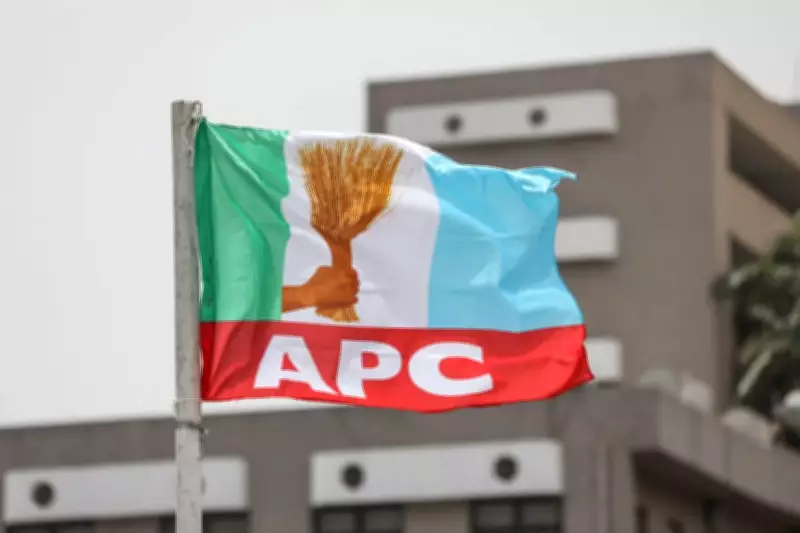
The All Progressives Congress (APC) has officially released its comprehensive timetable and schedule of activities for the highly anticipated 2027 general elections, detailing key internal party processes and the substantial costs associated with nomination forms for aspirants seeking various elective positions. This significant announcement was made through a press statement issued in Abuja and formally signed by the party's National Publicity Secretary, Felix Morka, marking a pivotal step in the party's early preparations for the upcoming election cycle.
According to the statement, the meticulously crafted schedule received approval and was signed by the National Organising Secretary, Sulaiman Muhammad Argungu, underscoring the party's commitment to structured and transparent electoral preparations. The timetable outlines a series of critical activities, with the sales of nomination forms set to commence on Saturday, 25th April, and conclude on Saturday, 2nd May. Following this, completed forms must be submitted on or before Monday, 4th May, initiating a swift and rigorous internal process.
Key Dates and Processes in the APC Timetable
The screening of aspirants for a wide range of offices, including State Houses of Assembly, House of Representatives, Senate, governorship, and the presidency, will follow shortly after the submission deadlines. The party has established separate dates for the publication of screening results and the hearing of appeals from dissatisfied aspirants, aiming to address potential disputes promptly. Primary elections are scheduled to be conducted in phases, beginning with the presidential primary, followed by National Assembly and state-level contests, and concluding with governorship primaries, ensuring a systematic approach to candidate selection.

Nomination Fees and Concessions for Aspirants
A central and contentious highlight of the timetable is the cost attached to securing the party's nomination forms, which has immediately drawn significant attention from political observers, stakeholders, and the general public. According to the detailed breakdown released by the APC, presidential aspirants are required to pay a total of ₦100 million, comprising ₦30 million for expression of interest and ₦70 million for nomination. Governorship aspirants will pay ₦50 million in total, made up of ₦10 million for expression of interest and ₦40 million for nomination.
Senate aspirants are to pay ₦20 million, including ₦3 million for expression of interest and ₦17 million for nomination, while House of Representatives forms cost ₦10 million in total. State House of Assembly aspirants will pay ₦6 million, reflecting a tiered structure based on the level of office sought. In a move to promote inclusivity, the party has indicated concessions for certain categories of aspirants, stating that women, youths, and persons living with disabilities are only required to pay for expression of interest forms and 50 percent of the nomination fees, potentially easing financial barriers for these groups.
Mixed Reactions and Concerns Over High Costs and Tight Schedule
While the APC, through its National Publicity Secretary Felix Morka, has emphasized that the timetable reflects its dedication to internal democracy and compliance with electoral guidelines set by the Independent National Electoral Commission (INEC), reactions to the announcement have been decidedly mixed. Concerns have been raised by numerous Nigerians and political analysts over the high cost of nomination forms, particularly for top-tier positions such as the presidency and governorship.
Critics argue that these substantial fees could severely limit participation to only wealthy individuals, potentially undermining inclusivity and broader democratic representation within the party, and raising questions about equity in the political process. Others have pointed to the tight schedule between key stages, such as screening, appeals, and primaries, as a potential logistical challenge, warning that disputes arising from the process may not be sufficiently resolved within the allotted time, which could lead to internal conflicts or legal challenges.

Broader Context and Future Implications
The release of the APC timetable comes as political parties across Nigeria begin their early preparations for the 2027 general elections, with widespread expectations that the Independent National Electoral Commission will, in due course, release the official national election schedule. As preparations intensify across the political landscape, attention is likely to remain sharply focused on how parties manage their internal processes, particularly in balancing transparency, inclusiveness, and strict compliance with electoral laws.
This development sets a significant precedent for other parties and could influence the overall dynamics of the 2027 electoral cycle, shaping public perception and participation in the democratic process. The ongoing debate over nomination fees and schedule efficiency highlights broader issues of political accessibility and reform in Nigeria's evolving democracy.