INEC Chairman Cautions Nigerians on 2027 Election Expectations
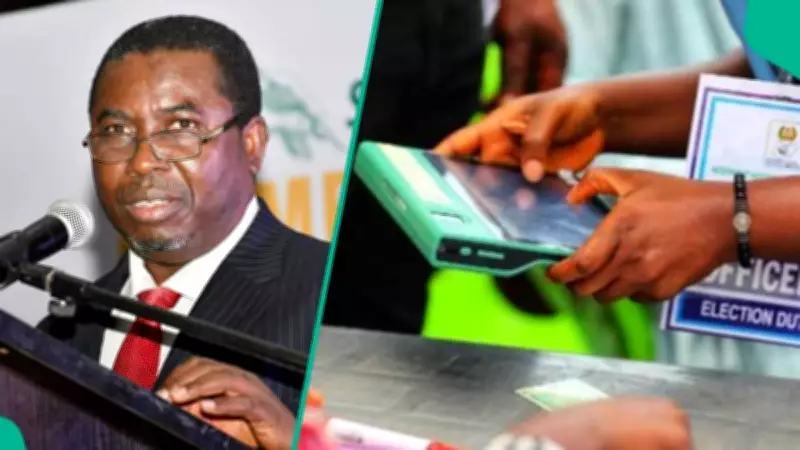
Professor Joash Ojo Amupitan, the Chairman of the Independent National Electoral Commission (INEC), has issued a stark warning to Nigerians, advising them not to expect a perfectly conducted election in 2027. Speaking at a Citizens’ Townhall Meeting in Abuja on March 1, 2026, organized by the Civil Society Network on Election Integrity, Amupitan acknowledged significant logistical and human challenges that could impact the electoral process.
Logistical and Human Factors Pose Hurdles
Amupitan openly admitted that previous elections have been marred by issues related to logistics and human errors, which the commission is actively working to address. He emphasized that while INEC is committed to delivering what he described as the best election in Nigeria’s history, achieving a 100% perfect election may not be feasible at this time. The chairman stressed that transparency and credibility remain central to INEC’s plans for the upcoming general election.
Electronic Transmission of Results with Caveats
In his remarks, Amupitan confirmed that INEC has the capacity to transmit election results electronically, a key component of the 2027 electoral process. However, he cautioned that real-time delivery of these results cannot always be guaranteed. Drawing an analogy to bank transfers, he explained that delays similar to those experienced in financial transactions might occur, where results could take additional time to be fully processed and received.

Benchmarks for a Successful Election
The INEC chairman outlined specific criteria for judging the success of an election, moving beyond technological aspects to include broader factors. He stated that a successful election should be measured by whether it starts on time as advertised, maintains peace throughout the process, and effectively manages results from declaration to transmission. Amupitan reiterated INEC’s determination to meet these standards despite operational challenges.
Lessons from Past Elections and Future Plans
Reflecting on the 2023 general election, Amupitan noted that internal reviews revealed insufficient testing of technologies for nationwide deployment, particularly in interstate contexts like the presidential election. He pledged that INEC will conduct more rigorous testing ahead of the 2027 polls to mitigate such issues. Additionally, he referenced the recent FCT area council elections, where results were promptly released in most councils, with only minor delays in one ward, underscoring that such instances do not equate to system failures.
Commitment to Electoral Integrity
Despite the cautionary tone, Amupitan assured Nigerians that INEC is steadfast in its commitment to improving the electoral process. The commission has already announced January 16, 2027, as the new date for the presidential and national assembly elections, signaling proactive planning. The townhall meeting, which brought together civil society organizations, academics, and election observers, served as a platform to discuss electoral reforms and bolster public confidence in Nigeria’s democratic framework.