Six PDP House of Representatives Members Defect to Accord Party in Osun State
In a significant political development, six members of the House of Representatives from Osun State have officially defected from the Peoples Democratic Party (PDP) to the Accord Party. The defection occurred on Monday, March 2, 2026, marking a notable shift in the political landscape of the state.
Defection Announced at Accord Party Stakeholders Meeting
The lawmakers publicly announced their decision to join the Accord Party during a stakeholders meeting held in Osogbo, the capital of Osun State. The meeting, which gathered party leaders and supporters, served as the platform for the formal declaration of their political realignment.
This move represents a substantial blow to the PDP's representation in the federal legislature from Osun State, as six sitting members have chosen to abandon the party. The defection highlights ongoing political realignments and internal dynamics within Nigerian politics, particularly in the southwestern region.

Details of the Political Shift
The defection of these six federal lawmakers comes amid broader political activities and party restructuring ahead of future electoral cycles. While the specific names of the representatives were not detailed in the initial report, their collective action signals a coordinated political strategy.
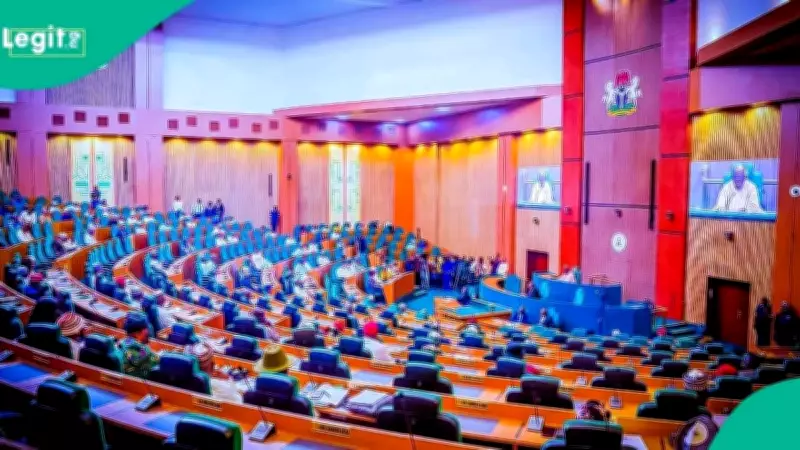
The Accord Party, which hosted the stakeholders meeting in Osogbo, has gained additional parliamentary strength through this acquisition. This development could potentially alter power balances within the House of Representatives and influence legislative agendas concerning Osun State and national issues.
Context and Implications
Political defections are not uncommon in Nigeria's vibrant democracy, often reflecting shifting alliances, ideological differences, or strategic calculations. The movement of six House of Representatives members from one party to another within a single state demonstrates the fluid nature of political loyalties and party affiliations.
This event follows established patterns where lawmakers may change parties due to internal party conflicts, dissatisfaction with leadership, or pursuit of better political opportunities. The defection to the Accord Party specifically suggests the party's growing influence and organizational capacity in Osun State.
As the political landscape continues to evolve, such defections can have ripple effects on party structures, electoral prospects, and governance at both state and federal levels. The six lawmakers will now represent the Accord Party in the House of Representatives, bringing their legislative experience and constituency connections to their new political home.