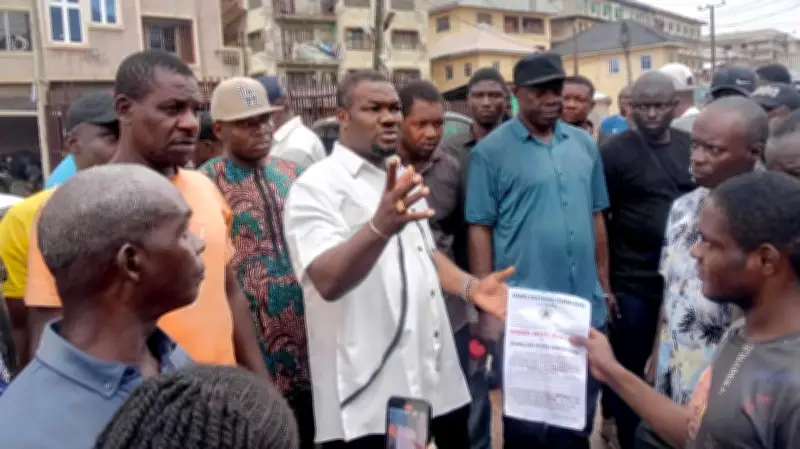
The Anambra State Ministry of Physical Planning and Urban Development has intensified Governor Chukwuma Soludo's urban regeneration initiative by marking over 500 properties for demolition in Nnewi, the state's industrial nerve center. The move targets structures allegedly violating development control regulations.
Background of the Enforcement Exercise
Governor Soludo recently conducted an inspection tour of Nnewi, and the demolition exercise is part of a broader strategy to reclaim abandoned public assets, eliminate urban blight, address infrastructure deficits, and create a more functional and attractive city environment. The ministry has commenced issuing demolition notices to owners and occupiers of properties deemed illegal, dilapidated, and unsafe.
Affected Structures and Locations
The affected structures include shanties erected beneath high-tension power lines, buildings constructed without approved setbacks, unauthorized developments, filling stations, hotels, and other decrepit structures considered hazardous to public safety and urban development. Targeted locations span major corridors and strategic areas, including the Nnewi Triangle axis, Hundred Foot Road, Post Office area, Anaedo Road, Igwe Orizu Road, Ezemewi Road, Nkwo axis, sections of the Nnewi–Owerri Road right-of-way, and other major Trunk A road corridors in Otolo, Umudim, and Uruagu.

Commissioner's Statement
Commissioner for Physical Planning and Urban Development, Chijioke Oseloka Ojukwu, confirmed that over 500 owners of illegally constructed structures have been served notices and granted a two-week ultimatum to comply before enforcement and demolition activities commence. He emphasized that the measure aligns with Governor Soludo's ambitious urban renewal programme aimed at transforming the commercial city.
Ojukwu stressed that the action supports Soludo's vision of building a cleaner, safer, and more orderly urban environment, laying the foundation for comprehensive regeneration of Nnewi and restoration of its position as a premier industrial and commercial hub. The enforcement marks the first phase of a regeneration initiative designed to restore order, improve infrastructure, and reposition Nnewi as a modern hub.
The commissioner noted that affected structures include shanties, dilapidated buildings, unapproved developments, filling stations, hotels, and properties encroaching on public right-of-way or posing environmental and safety risks. The notices also serve as a formal warning to owners of structures obstructing the right-of-way of the newly-dualized Nnewi–Owerri Road and other areas earmarked for redevelopment.
Future Plans and Public Appeal
The renewal programme will facilitate completion of the long-abandoned Nnewi Triangle Mall, alongside development of modern bus terminals, recreational centres, and other public infrastructure designed to enhance economic activity and urban mobility. Ojukwu expressed concern over temporary inconvenience the exercise may cause, urging residents and business owners to cooperate with the government. He reaffirmed the ministry's commitment to enforcing physical planning laws with fairness and firmness in pursuit of a cleaner, safer, and more prosperous Nnewi.