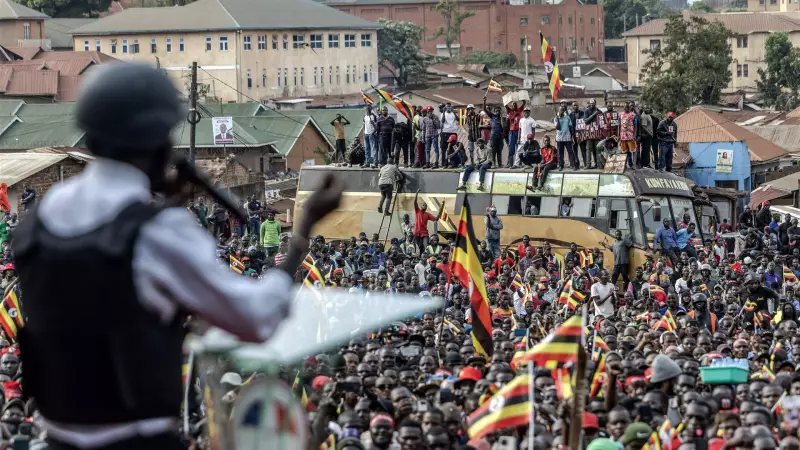
In a move that has raised significant concerns about electoral transparency, the Ugandan government has ordered a complete shutdown of internet services across the nation. This directive comes just two days before a crucial general election where President Yoweri Museveni aims to extend his rule, which has lasted nearly four decades.
Official Directive and Contradictory Statements
The order was formally issued on Tuesday, January 13, 2026, by the Uganda Communications Commission (UCC). The regulatory body sent a notice to all internet service providers, instructing them to cut access. The UCC justified this drastic measure as necessary to "mitigate the rapid spread of online misinformation, disinformation, electoral fraud and related risks." The commission also stated it was aimed at preventing incitement to violence that could threaten public confidence and national security during the voting period.
Government officials verified the authenticity of the UCC letter to the AFP news agency. However, in a telling sign, there was no public statement from the government itself to confirm the blackout. Officials privately told AFP that authorities did not wish to publicly "own" the controversial decision.

Timing and Scope of the Blackout
The internet suspension was scheduled to begin at 6:00 pm local time (1600 GMT) on Tuesday. According to the directive, it will remain in force indefinitely, "until a restoration notice is issued." The order does provide an exemption for essential state services, but ordinary citizens and businesses are left without online access.
This action marks a repeat of tactics used in the previous election. Uganda last switched off the internet during the 2021 election, a vote that was widely criticized for allegations of rigging and severe state repression against opposition figures. In that election, President Museveni faced a strong challenge from Bobi Wine, a popular singer-turned-politician. Bobi Wine is once again a key contender in the current electoral race.
A Pattern of Pre-Election Control
What makes the latest shutdown particularly notable is the government's prior stance. In the lead-up to the election, officials had repeatedly and firmly denied any plans to disrupt internet connectivity. They dismissed rumours of a planned blackout as "false" and claimed such talk was only intended to spread fear among the populace.
Despite these public assurances, the suspension order was issued less than 48 hours before polls were set to open. This sudden reversal has fueled criticism from opposition groups, civil society, and international observers who argue that cutting off communication is a tool to suppress dissent, hinder independent monitoring, and control the flow of information during a critical democratic process.
The situation underscores the ongoing tensions between state control and digital freedoms in electoral contexts, setting a concerning precedent as Uganda heads to the polls.