Iran Denies US Embassy Attack in Riyadh, Ambassador Rejects Saudi Allegations
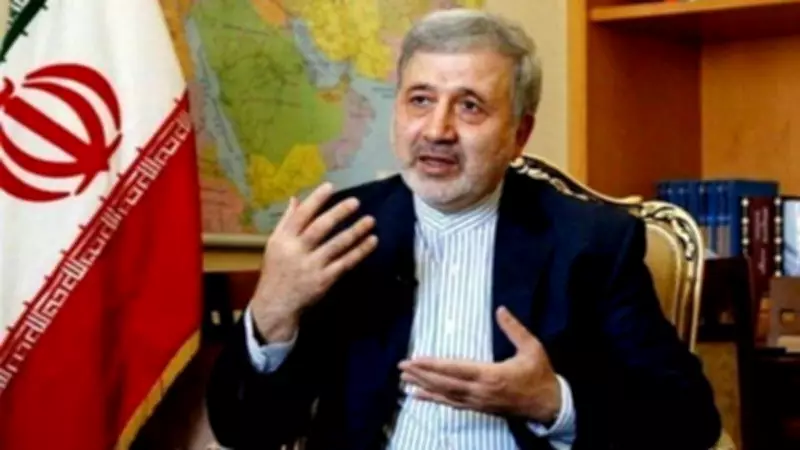
Iran's ambassador to Saudi Arabia, Alireza Enayati, has issued a firm and unequivocal denial regarding allegations that Iran carried out a drone attack on the United States embassy in Riyadh earlier this week. Saudi authorities had claimed that Tehran targeted the diplomatic compound with drones, an accusation that Iran has strongly rejected as baseless and unfounded.
Escalating Tensions and Previous Accusations
Saudi Arabia has repeatedly accused Iran of launching missile and drone strikes against its territory in recent months, warning that the kingdom reserves the right to defend itself, including responding with retaliation if necessary. This latest incident follows earlier claims by Riyadh that Iran attacked the massive Ras Tanura Refinery, one of the largest oil facilities in the Middle East, which Tehran also dismissed as false.
Reiterating Tehran's consistent position, Enayati stated that Iran was not involved in the incident that reportedly sparked a fire within the US embassy compound. He emphasized, "We confirmed that Iran has no role in the attack on the US embassy in Riyadh," adding that if Iran's military operations command in Tehran carried out any strike, it would openly acknowledge responsibility rather than deny it.

Regional Conflict and Casualties
Tensions across the Middle East have intensified significantly as Iran responds to joint strikes by the United States and Israel that reportedly killed its supreme leader. Tehran has since launched retaliatory attacks against Israeli targets and other locations across the region, leading to heightened instability.
Reports indicate that at least thirteen people have died across Gulf countries since Iran began its strikes over the weekend, including seven civilians, underscoring the human cost of the escalating violence. Despite this, Enayati insisted that Iran was not seeking to widen the conflict into a full-scale regional war.
"This is not a regional war and it is not our war. It was imposed on the region," he said, highlighting Iran's perspective that external actions have driven the current crisis.
Saudi Arabia's Diplomatic Stance and Appreciation
Before the latest escalation, Riyadh had supported diplomatic efforts aimed at easing tensions between Tehran and Washington and maintained that its airspace and territory would not be used to launch attacks against Iran. Enayati expressed Iran's appreciation for this stance from Saudi Arabia.
"We appreciate what we have repeatedly heard from Saudi Arabia — that it does not allow its airspace, waters, or territory to be used against the Islamic Republic of Iran," he said. "We welcome and affirm this position."
Historical Context and Diplomatic Relations
Iran and Saudi Arabia resumed diplomatic relations in March 2023 following a breakthrough agreement brokered by China after years of strained ties. The two countries had cut relations in 2016 after Saudi diplomatic missions in Tehran and Mashhad were attacked during protests triggered by Saudi Arabia's execution of Shiite cleric Nimr al-Nimr.
This historical backdrop adds complexity to the current allegations and denials, as both nations navigate a fragile diplomatic landscape amid ongoing regional conflicts. The situation remains fluid, with international observers closely monitoring developments for any signs of further escalation or potential de-escalation efforts.