Israel Resumes Bombing Campaign Against Iran's Ally Lebanon Despite US Ceasefire Declaration
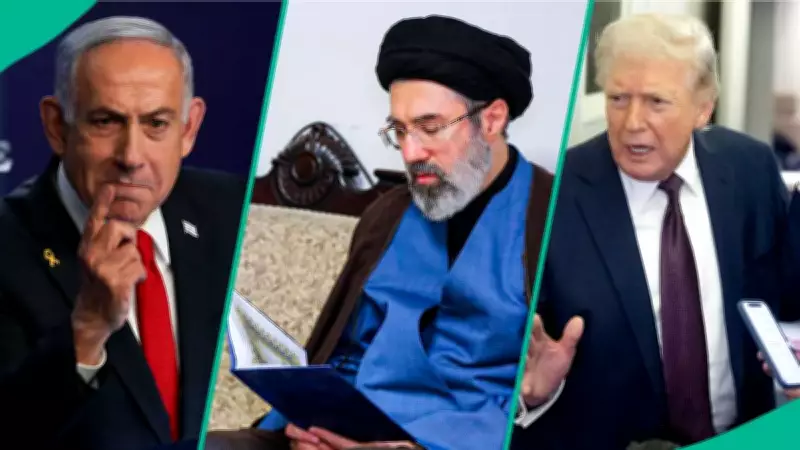
In a significant development in the ongoing Middle East conflict, Israel has resumed its bombing campaign against Lebanon, a top regional ally of Iran, despite a ceasefire announcement by former United States President Donald Trump. The Israeli government, through the office of Prime Minister Benjamin Netanyahu, has officially reacted to the ceasefire declared by Trump, which was intended to temporarily halt hostilities initiated by the US and Israel against Iran in the region.
Trump's Ceasefire Conditions and Israel's Immediate Response
President Trump had announced a two-week ceasefire, stipulating that it was contingent upon Iran immediately opening strategic straits and ceasing all attacks on the United States, Israel, and other countries in the Middle East. However, Israel has asserted that this ceasefire agreement explicitly does not include Lebanon, as reported by Al Jazeera. This clarification from the Israeli government has led to the resumption of military operations against Lebanese targets, underscoring the complex dynamics of the conflict.
Israel maintains that it is supporting US efforts to ensure Iran no longer poses nuclear, missile, and terror threats, despite Iran not currently possessing nuclear weapons, unlike Israel. This stance highlights the ongoing tensions and differing security perceptions between the nations involved. The bombing of Lebanon, despite the US-brokered ceasefire, signals Israel's determination to address what it views as immediate threats from Iranian proxies in the region.

Implications for Regional Stability and International Relations
The resumption of hostilities by Israel against Lebanon raises critical questions about the effectiveness of the ceasefire and the broader geopolitical landscape. It demonstrates the challenges in enforcing peace agreements in a volatile region where multiple actors have conflicting interests. The move may strain relations between Israel and the US, as it appears to contradict the spirit of the ceasefire announced by Trump, potentially complicating future diplomatic efforts.
This development underscores the fragile nature of ceasefire agreements in the Middle East, where longstanding animosities and security concerns often override temporary diplomatic solutions. As the situation evolves, international observers are closely monitoring the responses from Iran, Lebanon, and other regional players, which could influence the trajectory of the conflict and stability in the area.