Nigeria Threatens Strong Retaliatory Actions Against South Africa
The federal government has signaled that it may take strong diplomatic and economic measures against South Africa following a resurgence of xenophobic attacks targeting Nigerians living in the country.
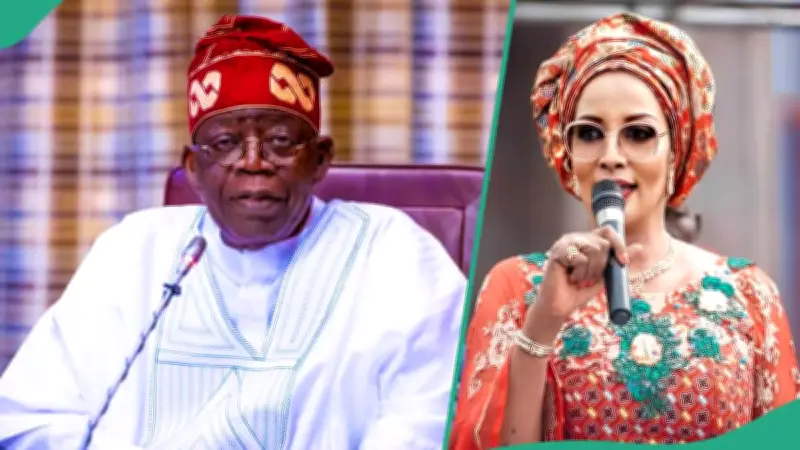
Foreign Affairs Minister Bianca Odumegwu-Ojukwu rejected claims that affected Nigerians were illegal migrants, stating that businesses and families had been targeted. She spoke after a meeting with President Bola Tinubu at the Presidential Villa in Abuja on Monday, June 8.
Government Response
Odumegwu-Ojukwu expressed dissatisfaction with what Abuja views as an inadequate response by South African authorities to the attacks. She indicated that a review of existing bilateral arrangements is under consideration and could be pursued if the situation fails to improve.

She dismissed claims from some South African officials that Nigerians affected by the violence were undocumented migrants. According to her, many of those targeted are law-abiding residents and business owners whose livelihoods have been disrupted by repeated attacks.
Why Is Nigeria Considering Sanctions?
The minister stated: "Our citizens are being harassed. Our citizens' properties are being looted. Criminal actions are being perpetrated, and the police refuse to do anything. The South African government has not come out strongly and firmly enough to condemn these incidents."
She added: "To say that Nigerians who are in South Africa doing legitimate business are illegal migrants is absolutely untrue. People who are doing legitimate business have their shops looted, their shops set on fire. Children cannot go to school because they are intimidated in their schools."
Odumegwu-Ojukwu described the situation as particularly troubling given Nigeria's longstanding support for South Africa during the anti-apartheid struggle. She recalled the sacrifices made by Nigerians and the country's role as a frontline supporter of South African liberation efforts.
She said: "Nigeria is not happy with South Africa. Nigeria sacrificed much for the South African struggle for independence. Nigeria committed funds, committed resources. In schools, seats were reserved for South African students. My own generation, we carried placards, we demonstrated in front of South African assets. Sometimes we even got arrested for doing this. Nigeria is a serious frontline state, and Nigerians are not happy about how they have been treated."
Evacuation Plans
On possible retaliatory measures, Odumegwu-Ojukwu confirmed that the government had not ruled out reviewing privileges enjoyed by South African interests in Nigeria. She stated: "That is a situation that we are considering. This is a decision that has to be taken at the highest level of government. But it is not off the table."
The minister disclosed that President Tinubu had approved five evacuation flights operated by Air Peace to assist Nigerians wishing to return home. Emergency response teams have been established within Nigeria's diplomatic missions in Johannesburg and Pretoria.
More than 1,000 Nigerians have registered for voluntary repatriation, while hundreds have already completed screening procedures. The first evacuation flight, initially scheduled for Monday, has been moved to Wednesday because of operational arrangements.
What Triggered the Latest Tensions?
The latest unrest followed anti-immigration demonstrations organized by groups such as Operation Dudula and March for March in April. The protests heightened fears among foreign nationals across several South African provinces.
South African officials have expressed reservations about Nigeria's evacuation plans. Odumegwu-Ojukwu defended the decision, saying protecting Nigerians remained the government's foremost concern.
The current crisis revives memories of previous outbreaks of xenophobic violence in 2008, 2015, and 2019, which strained relations between Africa's two largest economies and led to the displacement and deaths of foreign nationals, including Nigerians.

Advisory for Nigerians in South Africa
Nigeria's diplomatic mission in South Africa has cautioned its nationals to remain vigilant following unrest linked to a disputed traditional ceremony in the Eastern Cape Province. The advisory followed protests that broke out after reports of a coronation involving the Igbo community in the region.