Niger's Ousted President Bazoum's Term Ends Amid Detention Controversy
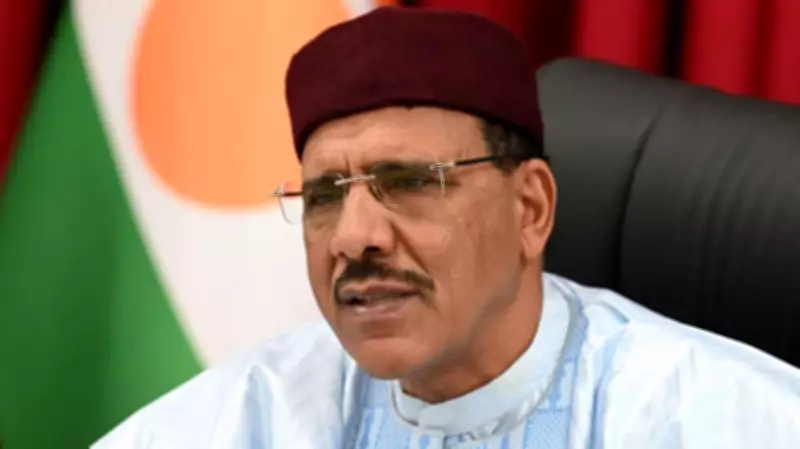
The constitutional term of Niger's deposed President Mohamed Bazoum has officially concluded, yet the 66-year-old leader remains in detention under the ruling military junta, igniting a fierce controversy over the legitimacy of his mandate and international diplomatic tensions. Bazoum, who was democratically elected with 55 per cent of the vote in 2021, was overthrown in a coup led by Abdourahamane Tiani in 2023, just two years into his presidency.
Legal and Political Standoff Over Bazoum's Mandate
Despite his removal from power, Bazoum has steadfastly refused to resign, with his legal team arguing that his presidential mandate cannot be considered complete because he has been unable to fulfill his duties since the coup. This stance has created a significant legal impasse, as the junta government shows no signs of releasing or putting him on trial, leaving his status in a state of limbo.
The situation has drawn sharp criticism from the international community, particularly the European Union. The EU Parliament recently passed a resolution demanding Bazoum's immediate and unconditional release by April 4, the day his constitutional term was set to end. The resolution strongly condemns the continued arbitrary detention of Bazoum and his wife, calling it a violation of democratic principles.

Junta's Defiance and International Reactions
In response, the Nigerien junta government has rebuffed the European Parliament's resolution, warning the EU to cease meddling in Niger's internal affairs. This defiant stance underscores the junta's firm grip on power and its reluctance to bow to external pressure, further complicating efforts to resolve the political crisis.
The EU has urged the international community to intensify diplomatic efforts to secure Bazoum's release, highlighting the broader implications for democracy and stability in the Sahel region. As Bazoum's term officially ends without his freedom, the controversy deepens, raising questions about the future of Niger's governance and the junta's commitment to restoring civilian rule.