Report: Saudi Crown Prince Urged Trump to Strike Iran, Influencing Khamenei's Death
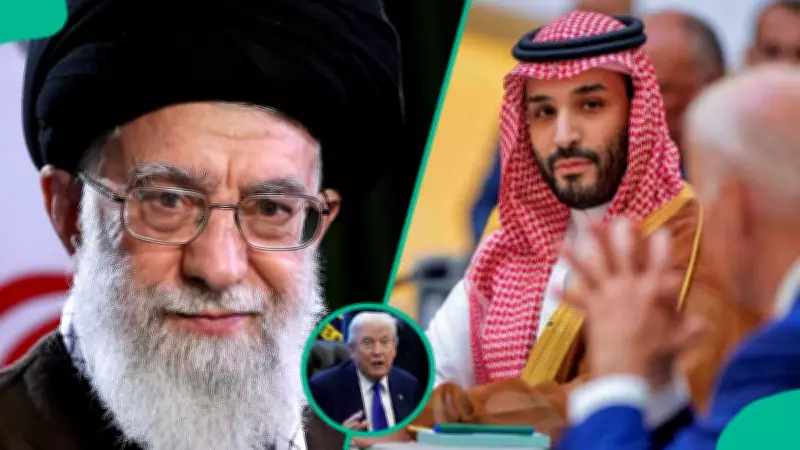
A recent investigative report by The Washington Post has made startling allegations about the role of Saudi Crown Prince Mohammed bin Salman in the United States-led military strikes on Iran that resulted in the death of Supreme Leader Ali Khamenei. According to the report, the de facto ruler of Saudi Arabia engaged in multiple private phone conversations with former US President Donald Trump over the past month, actively lobbying for decisive military action against Tehran.
Private Advocacy Contrasts Public Diplomacy
The report reveals a significant contradiction between Saudi Arabia's public stance and its behind-the-scenes maneuvers. While Crown Prince Mohammed bin Salman publicly promoted diplomatic solutions to regional tensions, he was simultaneously pressing President Trump to authorize military strikes against Iran. Sources familiar with the discussions told The Washington Post that the Saudi leader warned that American inaction would only embolden Iran's regional ambitions and military posture.
The Saudi Press Agency confirmed that Crown Prince Mohammed received a call from President Trump on Saturday, during which the American leader condemned recent Iranian missile attacks targeting the Kingdom. These attacks had been successfully intercepted by Saudi air defense systems. President Trump reportedly reassured the crown prince of Washington's unwavering support, affirming that the United States stands behind all measures taken by Saudi Arabia to protect its national security and maintain stability throughout the region.

Regional Diplomatic Outreach
In addition to his communications with President Trump, Crown Prince Mohammed bin Salman engaged in diplomatic conversations with several regional leaders as tensions escalated. He spoke with Syrian President Ahmed Al-Sharaa, who expressed solidarity with Saudi Arabia and rejected any threats to the Kingdom's sovereignty amid Iran's military actions. Further discussions were held with Gulf and regional leaders including Haitham bin Tariq of Oman and Joseph Aoun of Lebanon, focusing on the growing threat posed by Iran's military escalation targeting Saudi Arabia and neighboring countries.
Strategic Influence on US Policy
Political analysts and regional observers suggest that these back-channel communications demonstrate Saudi Arabia's significant influence on United States foreign policy decisions regarding Iran. By urging President Trump to take military action, Crown Prince Mohammed bin Salman may have directly shaped the timing and execution of the strikes that resulted in Khamenei's death and the elimination of top Iranian security officials. The report indicates that while publicly advocating for diplomacy, Saudi Arabia's leadership leveraged its close relationship with the United States to ensure swift action against Tehran.
Observers note that the crown prince's lobbying reflects Riyadh's broader strategic objective to counter Iran's influence throughout the Gulf region, including its military presence and support for various proxy groups across the Middle East. This development raises important questions about regional power dynamics and the role of Gulf states in shaping American military interventions in the region.
Aftermath of the Strikes
Following the coordinated US-Israel strikes, Iranian authorities confirmed that Supreme Leader Ali Khamenei and several top military and security officials were killed in the attacks. Tehran reported over 200 casualties nationwide and pledged retaliation against American and Israeli interests. In response to the leadership vacuum, Iran has announced a new interim leadership arrangement, activating constitutional processes to manage the country's affairs pending the election of a permanent successor to Khamenei.
Religious scholar Alireza Arafi, a member of Iran's Guardian Council, has been appointed to a leadership council tasked with carrying out the responsibilities of the supreme leader. Arafi will serve alongside President Masoud Pezeshkian and Chief Justice Gholam-Hossein Mohseni-Ejei as part of the temporary governing body. The country has declared forty days of mourning and a seven-day public holiday following Khamenei's death.

The Washington Post report highlights the complex interplay between public diplomacy and private advocacy in international relations, particularly in the volatile Middle East region where strategic alliances often shape military outcomes with significant geopolitical consequences.