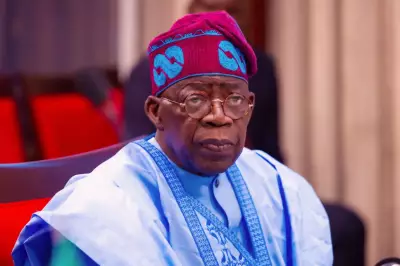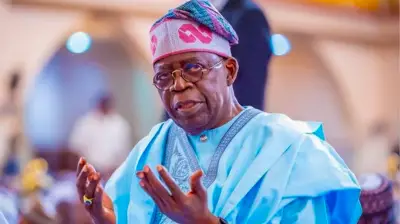
President Bola Ahmed Tinubu has arrived back at the Aso Rock Presidential Villa, concluding a significant diplomatic and economic mission to the United Arab Emirates.
Concrete Outcomes from Abu Dhabi Summit
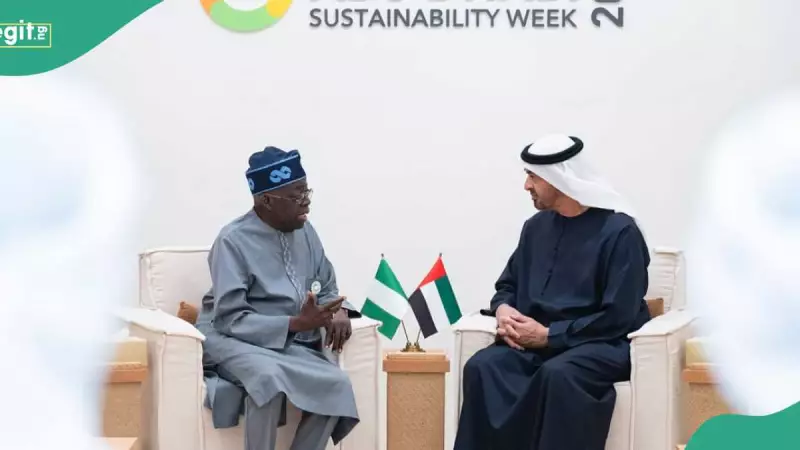
The President's return on Friday, January 17, 2026, followed his active participation in the high-level 2026 Abu Dhabi Sustainability Week (ADSW). According to a detailed statement from his Special Adviser on Information and Strategy, Bayo Onanuga, the trip yielded substantial results for Nigeria that extended beyond mere diplomatic appearances.
A landmark achievement was the signing of a Comprehensive Economic Partnership Agreement (CEPA) between Nigeria and the United Arab Emirates. This pact is designed to significantly deepen bilateral relations by boosting trade, encouraging investment flows, and facilitating the exchange of technology across several key sectors.

The agreement strategically covers energy, infrastructure, agriculture, mining, and renewable energy. Nigerian officials emphasized that this partnership aligns perfectly with the country's ongoing economic reforms and its determined push to attract sustainable foreign direct investment.
Lagos to Host Major Investment Forum in February
Building on the new economic agreement, President Tinubu announced an immediate plan to deepen investor engagement. He revealed that Nigeria will co-host a major INVESTOPIA forum with the UAE in Lagos this February.
This initiative aims to assemble global investors, policymakers, and business leaders in Nigeria's commercial capital. The forum's primary goal is to showcase the country's reform agenda and open direct channels for investment discussions, further cementing economic ties with the Gulf region.
Ambitious $30 Billion Annual Climate Finance Target
At the summit's core discussions on climate action and sustainable development, President Tinubu outlined Nigeria's ambitious energy transition goals. He declared that the administration is working to mobilize up to $30 billion annually in financing dedicated to climate-related projects and green industrial initiatives.
The President framed climate finance as a critical driver for Nigeria's future, linking it directly to industrial growth, job creation, and long-term sustainable development. He assured the global audience that Nigeria is simultaneously working to expand electricity access nationwide while implementing reforms to support cleaner energy sources.
The President's delegation included key ministers, underscoring the importance placed on the summit. This return marks the end of a trip that successfully blended climate diplomacy with hard-nosed economic negotiation, as Nigeria continues to seek strategic international partnerships to fuel its development objectives.