Trump Sets Unconditional Surrender as Sole Condition to End Iran War
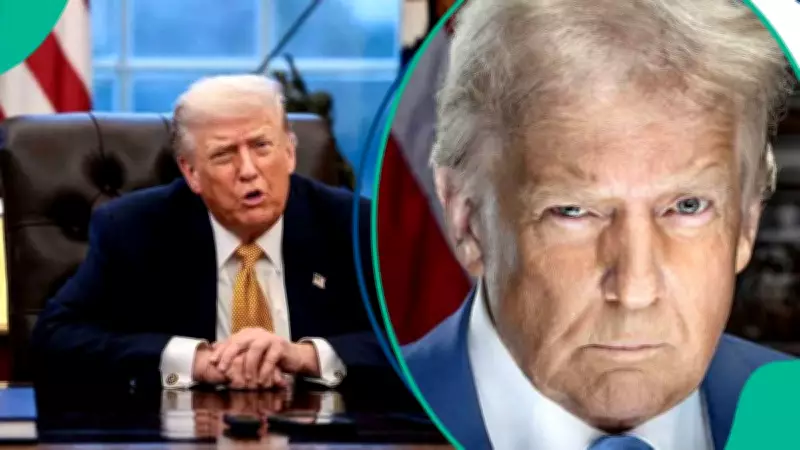
United States President Donald Trump has issued a definitive statement regarding the ongoing military conflict with Iran, asserting that hostilities will not cease until Iran agrees to an unconditional surrender. This declaration was made public through his social media platform on Friday, March 6, 2026, effectively ruling out any diplomatic negotiations under current circumstances.
Escalation of Military Actions and Regional Impact
The war, which was initiated on February 28, 2026, through coordinated aerial attacks by the United States and Israel, has resulted in significant casualties including the death of Iran's Supreme Leader Ayatollah Ali Khamenei and multiple senior officials. The conflict has rapidly expanded beyond initial engagements, with Iranian forces launching retaliatory strikes against Israeli and US military bases across the region.
Israeli warplanes have conducted extensive bombing campaigns targeting Tehran and Beirut, while Iran has responded with missile attacks against Gulf countries. The strikes in Lebanon represent the most intense military activity since the 2024 ceasefire that previously ended hostilities between Israel and Hezbollah, the Iran-backed militant group.

The escalating conflict has created a severe humanitarian crisis, with more than 95,000 civilians forced to flee their homes in Beirut's suburbs and southern Lebanon following comprehensive Israeli evacuation warnings. The war has affected over a dozen countries throughout the Middle East and triggered substantial increases in global oil prices, creating economic instability beyond the immediate conflict zone.
Trump's Vision for Post-War Iran
In his social media statement, President Trump outlined his conditions for ending the war, emphasizing that only after Iran's unconditional surrender would the United States and its allies assist in rebuilding the nation. Trump specifically mentioned that this reconstruction would be contingent upon "the selection of a GREAT & ACCEPTABLE Leader(s)" who would oversee Iran's transformation into what he described as "economically bigger, better, and stronger than ever before."
During an interview with NBC News on March 5, Trump elaborated on his vision for Iran's future leadership, stating: "We want to go in and clean out everything. We don't want someone who would rebuild over a 10-year period." While declining to identify specific individuals, the President confirmed that he has particular candidates in mind for leadership roles and that measures are being taken to ensure their safety throughout the conflict.
Strategic Objectives and Shifting TimelinesThe United States and Israel have conducted sustained military operations against Iran, targeting military infrastructure, leadership positions, and nuclear facilities. American strategic objectives have evolved throughout the conflict, with initial statements suggesting goals ranging from regime change to the establishment of new leadership structures within Iran.
Trump's latest pronouncements indicate a hardening of the US position, with unconditional surrender now established as the non-negotiable prerequisite for any cessation of hostilities. This stance has raised significant questions about potential endgame scenarios and the long-term implications for regional stability.
International Ramifications and Security Measures
The conflict has generated widespread international concern, with diplomatic channels strained and security precautions implemented globally. The United States Embassy in Nigeria has cancelled all visa appointments, citing heightened security risks and potential demonstrations in Abuja related to the escalating hostilities between the United States and Iran.
American citizens have been advised to exercise extreme caution and remain indoors when possible, particularly in areas where protests might occur. These security measures reflect the broader global impact of the conflict, which has extended far beyond the immediate geographical boundaries of the Middle East.