UK Government Launches Pilot Scheme Offering £40,000 to Migrant Families for Voluntary Departure
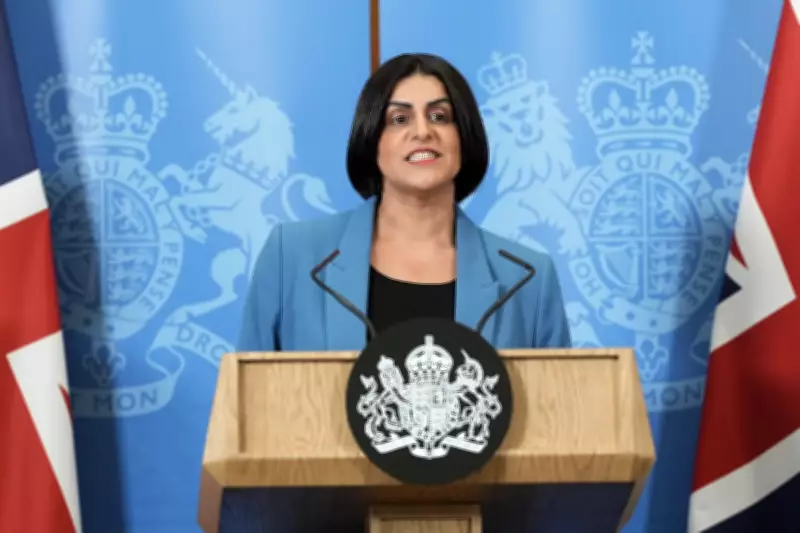
In a significant policy announcement, UK Home Secretary Shabana Mahmood has unveiled a new pilot scheme that will offer certain migrant families up to £40,000 to voluntarily leave the United Kingdom. This initiative forms part of a comprehensive overhaul of the country's migration system under the government of Prime Minister Keir Starmer, aiming to balance compassion with stronger border control measures.
Details of the Voluntary Departure Incentive
Under the proposed scheme, up to 150 migrants will be eligible to receive £10,000 per person, including children, with a maximum payment of £40,000 per family. The critical condition is that families must agree to leave Britain within seven days to qualify for the financial incentive. Mahmood emphasized that this increased payment targets failed asylum seekers, arguing it could substantially reduce the long-term costs of supporting migrants who remain in the country.
"Failed asylum seekers will now be offered an increased incentive payment of £10,000 per person, and up to a maximum of £40,000 per family," Mahmood stated during her address in Westminster. "To put that in important context, today, a family of three asylum hotel accommodation costs up to £158,000 per year. Should these incentives prove effective, they will represent a significant saving to the taxpayer."

The Home Secretary also warned that migrants who refuse voluntary removal could face enforced deportation. "Where a voluntary removal is refused, we will escalate to an enforced removal for those who can be returned to their safe home country," she declared, underscoring the government's firm stance on migration control.
Broader Migration Reforms and Political Debate
The announcement is part of a wider migration crackdown introduced by the Labour government, which includes several stringent measures:
- Stricter settlement requirements, with migrants needing to demonstrate English language proficiency at A-level standard.
- An extension of the typical pathway to settlement from five years to ten years under a proposed "earned settlement model."
- Refugees granted protection will no longer automatically receive long-term status but will instead be placed on temporary 30-month protection visas subject to periodic review.
- Asylum seekers who commit crimes, work illegally, or are able to support themselves may lose access to taxpayer-funded accommodation and financial support.
Officials stated these measures aim to reduce the country's £4 billion annual asylum support bill while restoring what Mahmood described as "order and control" at Britain's borders. However, the policy has already ignited debate within the governing Labour Party, with over 100 Labour MPs reportedly signing a letter urging the prime minister to reconsider parts of the migration crackdown.
Political Tensions and Defense of Reforms
Mahmood acknowledged the internal party tensions but defended the reforms vigorously. "Of course, we should be more Labour. The real question is, what does more Labour mean," she remarked. "More Labour doesn't mean more Green, just like more Labour doesn't mean more Reform."
She also criticized proposals from other political figures, referencing Zack Polanski of the Green Party and Nigel Farage. "They are no invitation to the fairy tale of open borders as Zack Polanski's revolutionary Green Party demands, and neither are they the nightmare of Nigel Farage pulling up the drawbridge and shutting out the world," Mahmood asserted, positioning the government's approach as a middle ground between extreme policies.
Implementation and Future Steps
Some of the more controversial changes are expected to be introduced through legislation in the upcoming King's Speech in May. Notably, skilled public service workers such as doctors and nurses are anticipated to retain a faster five-year pathway to settlement, reflecting the government's recognition of their contributions to the UK.

This pilot scheme and broader reforms represent a pivotal shift in the UK's migration strategy, focusing on cost reduction, border security, and a nuanced approach to humanitarian concerns. As the debate continues, the effectiveness of these measures in achieving their stated goals will be closely monitored by policymakers and the public alike.