The United Nations and the European Union are calling for a fundamental shift in addressing Nigeria's displacement crisis, which has left over 3.5 million people uprooted. Instead of short-term humanitarian aid, they advocate for long-term, community-driven development projects.
UN and EU Drive Durable Solutions
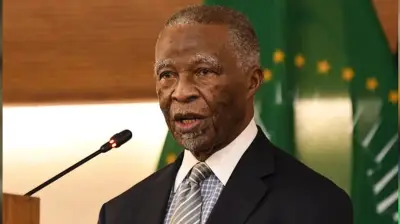
Speaking at a steering committee dialogue on durable solutions for internally displaced persons (IDPs) in Abuja, UN Resident and Humanitarian Coordinator Mohamed Fall emphasized that displacement has evolved into a development and peace challenge. Affected communities seek safety, stability, and opportunities to rebuild their lives.
Through the UN's common programme, nearly 200,000 children and adolescents will gain access to education and skills training, while close to 150,000 people will receive support for sustainable livelihoods.

EU Strategy: Private Sector-Led Development
EU Head of Cooperation in Nigeria, Massimo De Luca, announced that the bloc will phase out short-term livelihood assistance in conflict-affected regions. Instead, funding will be redirected toward private sector-led development. This approach will guide projects such as the Support for Internally Displaced Persons in Nigeria (SIDPIN) in Yobe, Adamawa, Benue, and Kano states, and the Support for Protection, Assistance and Durable Solutions (SPADS) in Sokoto State.
De Luca urged stakeholders to rethink interventions: “Let’s review all our livelihood interventions and development projects to see how they can contribute to the purposes of durable solutions. We need to move out of humanitarian-style interventions.”
Success in Sokoto: Danish Refugee Council
The Danish Refugee Council reported significant progress in Sokoto State, where 50% of supported displaced households have transitioned from camps into urban communities. Victory Daniel, Programme Manager for the North West, highlighted the “Direct and Effective Social Inclusion of Displaced Families” project, which uses the Green Graduation Approach to lift families out of extreme poverty. A recent survey found that 63% of displaced families prefer permanent integration into urban towns, underscoring the need for long-term settlement strategies.
Broader Context
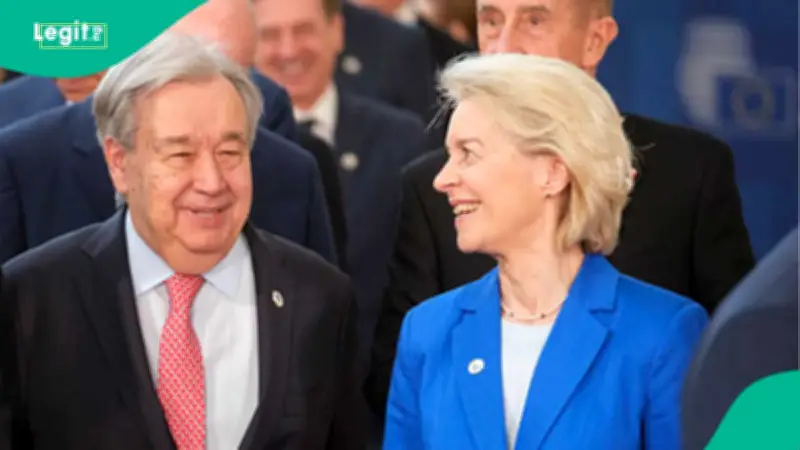
This push for durable solutions comes as global attention also focuses on other crises. Recently, UN Secretary-General António Guterres announced a landmark peace agreement between the United States and Iran, including an immediate ceasefire and the reopening of the Strait of Hormuz, a critical waterway for global energy supplies.