US and Iran agree on roadmap to permanent peace deal
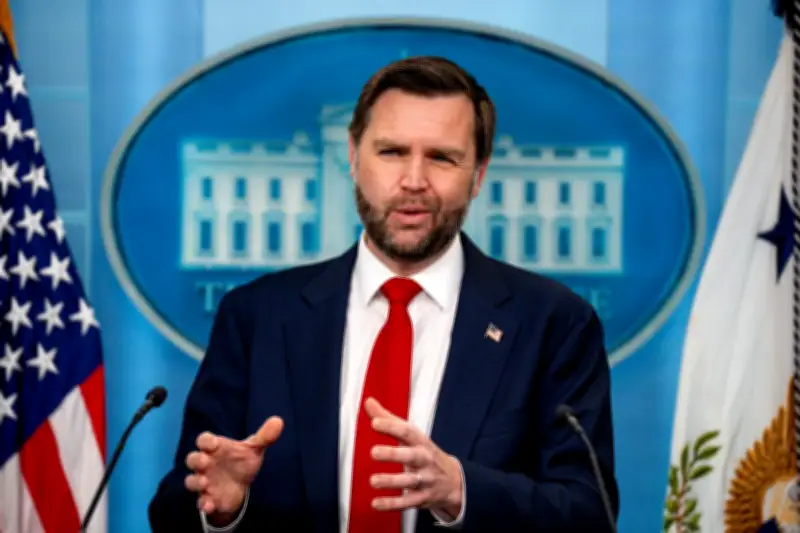
The United States and Iran have agreed to a roadmap toward a permanent peace agreement within 60 days following high-level talks at the Swiss mountain resort of Buergenstock, mediators Pakistan and Qatar announced on Monday. U.S. Vice President JD Vance stated that the discussions had laid a "good foundation" for a final deal, despite intense rhetoric and logistical standoffs over regional conflicts and shipping lanes.
Initial agreements include Lebanon ceasefire and Hormuz safety
As part of the initial progress, the two sides established a mechanism to end fighting in Lebanon between Israel and Hezbollah, alongside a communication line designed to ensure safe passage for commercial vessels through the vital Strait of Hormuz. Tehran has agreed to allow International Atomic Energy Agency (IAEA) inspectors to return to its facilities, marking the first resumption of comprehensive atomic inspections since conflict broke out earlier this year. The framework also includes provisions for handling frozen Iranian assets abroad and managing regional ceasefires.
Talks nearly derailed by Trump threat over Strait of Hormuz
The progress follows an escalation on Sunday when President Donald Trump threatened to restart military actions after Iran briefly closed the Strait of Hormuz, citing Washington's failure to halt Israeli military actions in Lebanon. According to regional reports, the Iranian delegation temporarily refused to return to the negotiating room after the comments became public, trading messages via mediators instead. Vance played down the friction, noting that while there was "a little bit of threatening" and "whining," the negotiations ultimately moved forward effectively.

Iran secures sanctions relief and frozen asset release
Iranian Foreign Minister Abbas Araqchi confirmed that Tehran secured critical sanctions waivers for oil and petrochemical exports, alongside a structured plan for the release of frozen funds. A procurement process designed by White House envoy Jared Kushner stipulates that the U.S. and Qatar will maintain oversight of the unfrozen assets, ensuring the funds are directed toward the purchase of American corn, soy, and wheat. Concurrently, the U.S. Treasury Department issued a 60-day general license formalizing the authorization of Iranian petroleum sales through August 21.
Global oil prices drop as shipping resumes through Hormuz
Global energy markets responded to the joint statement, with benchmark Brent crude dropping below $80 per barrel as supply shortage anxieties eased. Ship tracking data on Monday showed the first signs of reviving maritime traffic, with two crude tankers successfully transiting the Strait of Hormuz. On the ground, violence in Lebanon has abated significantly since Saturday evening. The Israeli military responded to the easing tensions by lifting safety restrictions for eight communities near the Lebanese border on Monday morning.
Israel demands guarantees against Iranian military funding
Israeli President Isaac Herzog stated that while Israel does not oppose a diplomatic conclusion to the conflict, any final agreement must strictly guarantee that Tehran cannot divert incoming funds toward military expansion or regional proxy networks. Technical talks between the delegations are scheduled to continue throughout the week.