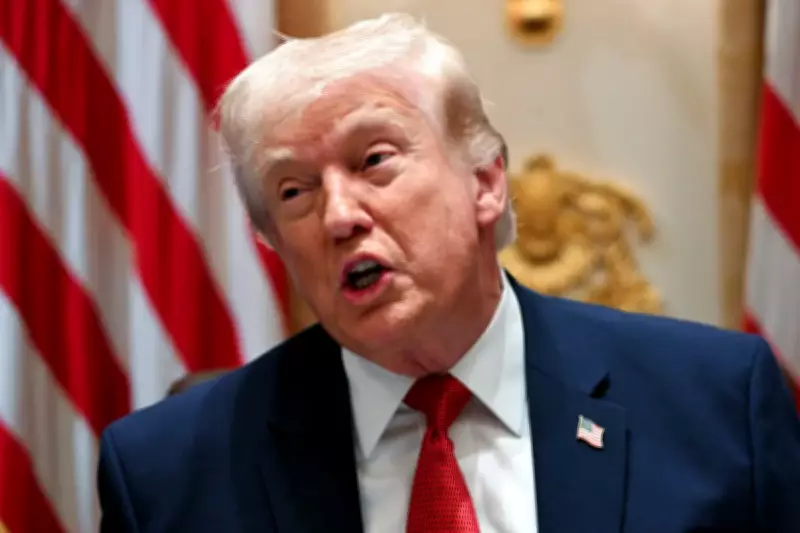
The White House has confirmed that it is currently reviewing a new proposal from Iran aimed at resolving the blockade of the Strait of Hormuz. This development comes after a major economic disruption triggered by a US and Israeli offensive two months ago. Although a ceasefire is in place, diplomatic efforts to fully reopen the strategic waterway have remained stalled.
Trump Administration Engages with Tehran's Offer
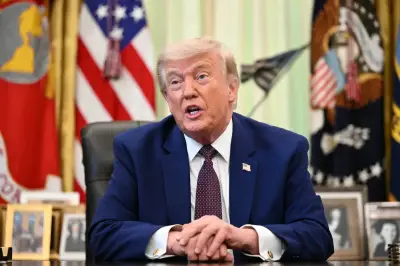
US President Donald Trump discussed the proposal with his security advisors after Tehran sent written messages through Pakistan detailing its requirements for nuclear and maritime negotiations. White House spokeswoman Karoline Leavitt noted that the document is being actively discussed within the administration.
Secretary of State Marco Rubio told Fox News that the terms were better than expected, though he remains cautious about Iran's true intentions. He stressed that any final deal must permanently block Iran's path to developing a nuclear weapon.

International Reactions and Diplomatic Moves
On the international stage, Iranian Foreign Minister Abbas Araghchi visited Russia, where President Vladimir Putin pledged support for Tehran's position. Araghchi accused the United States of making excessive demands that derailed previous negotiations. Despite these high-level meetings, the humanitarian situation in Tehran remains dire. Locals describe a state of complete economic collapse as both the Iranian blockade of the strait and the US blockade of Iranian ports continue to choke trade and inflate global prices.
Domestic Pressures in the US
Domestically, President Trump is navigating rising fuel costs and public opposition to the war ahead of the November midterm elections. While a planned trip by US envoys was scrapped, Trump signaled that communication channels remain open if Tehran chooses to engage directly.
Heightened Tensions in Lebanon
Meanwhile, tensions remain high in Lebanon. Despite an extended truce, the Israeli military has targeted Hezbollah sites in response to what it calls imminent threats. Hezbollah leader Naim Qassem has refused direct negotiations, leading Israeli Defense Minister Israel Katz to warn that the group is playing with fire. Army Chief of Staff Eyal Zamir suggested that military engagement on multiple fronts will likely persist through 2026.