Vatican Rejects Participation in Trump's International Board of Peace
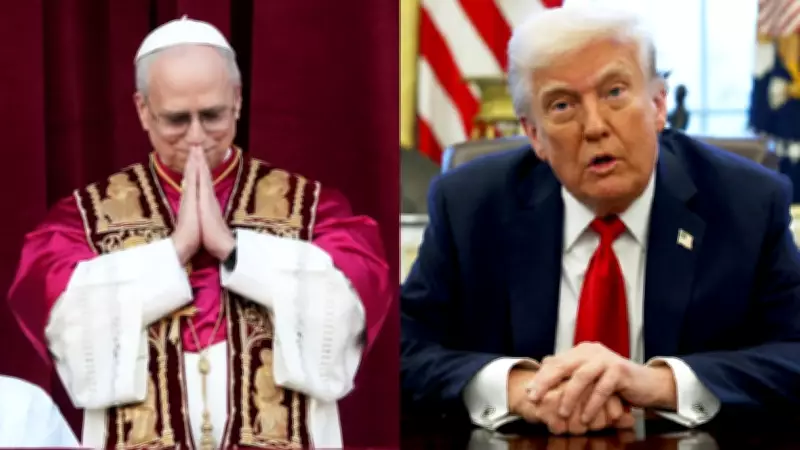
The Vatican has officially announced its decision not to participate in US President Donald Trump's International Board of Peace, despite receiving an invitation in January for Pope Leo XIV to join the initiative. This move underscores the Holy See's diplomatic stance and its commitment to established international frameworks.
Diplomatic Statement from Cardinal Parolin
Cardinal Pietro Parolin, the Vatican's top diplomat, clarified the decision, stating that the Holy See "will not participate in the Board of Peace because of its particular nature, which is evidently not that of other states." He emphasized that the Vatican views the United Nations as the primary body entrusted with managing global crises, highlighting this as a critical point of insistence in international affairs.
Background and Expansion of the Peace Board
The "Board of Peace" was initially conceived to oversee temporary governance in Gaza following recent conflicts. However, President Trump has since expanded its scope, proposing that the board, with him as chair, would address global conflicts. This expansion has drawn mixed reactions from the international community.

International Responses and Participation
Since its launch at the World Economic Forum in Davos, Switzerland, in January, at least 19 countries have signed the founding charter of the board. Notable signatories include:
- Argentina
- Hungary
- Saudi Arabia
- Russia
- United Arab Emirates
Meanwhile, Italy and the European Union have indicated that their representatives plan to attend as observers, as they have not formally joined the board. This observer status reflects a cautious approach by some European entities.
Pope Leo's Stance on Trump's Policies
Pope Leo XIV, the first US pontiff, has been outspoken in criticizing certain policies of President Trump since taking office. This latest decision aligns with his broader diplomatic strategy, which often prioritizes multilateral institutions like the UN over unilateral or bilateral initiatives.
Implications for Global Diplomacy
The Vatican's refusal to participate in the Board of Peace highlights ongoing tensions in international relations and the challenges of establishing new global governance structures. By reaffirming its support for the UN, the Holy See signals a preference for existing mechanisms in resolving world crises, potentially influencing other nations' decisions on the matter.