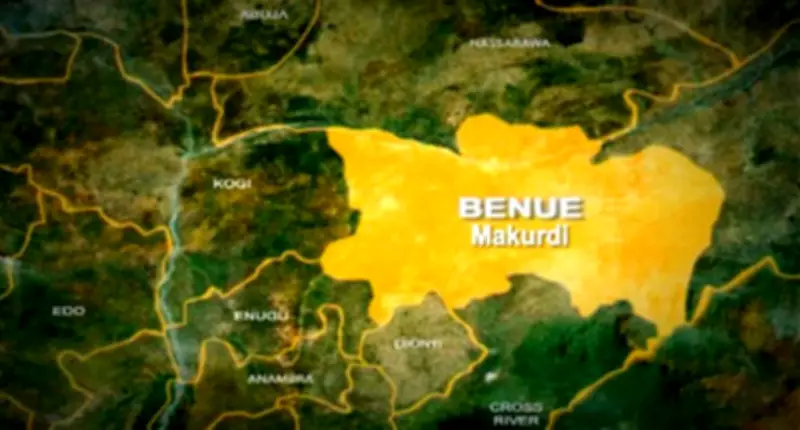
A civil society organisation, the Coalition for Grassroots Development in Benue, has attributed the escalating insecurity and deteriorating living conditions in the state to what it describes as the systematic strangulation of local government administration.
Allegations of Bureaucratic Bottlenecks
In a strongly worded statement signed by its National President, Dr. Shima Asongu, and Secretary, Emmanuel Abuul, the group accused state-level bureaucratic bottlenecks and financial restrictions of crippling grassroots governance and emergency response systems. The coalition warned that delays in accessing funds for security and essential services are not only costing lives but also deepening poverty, hunger, and social instability across communities.
According to the group, local government authorities are forced to navigate a complex web of approvals, ranging from commissioners to committees and, in some cases, the governor, before they can access funds for critical operations. It noted that the process can take up to three weeks or longer, even during emergencies. “No matter how dire the situation, local governments cannot access funds promptly to respond. This is both alarming and unacceptable,” the group said.

Impact on Essential Services
Beyond insecurity, the coalition highlighted several negative consequences of the alleged restrictions, including the near-collapse of primary healthcare services, poor waste management, and the abandonment of rural infrastructure such as roads and water systems. It warned that the situation is worsening food insecurity, as farmers are unable to access support during the planting season, while rural markets and small businesses are suffering from reduced economic activity due to unpaid salaries and declining purchasing power.
The group further stated that prolonged salary delays and arbitrary removal of workers from payrolls have plunged many families into hardship, increased school dropout rates, and limited access to basic healthcare, especially for vulnerable populations. It also expressed concern that weakening traditional institutions through unpaid stipends to traditional rulers has eroded local conflict resolution mechanisms, thereby aggravating communal tensions.
Opaque Financial Screening
The coalition alleged that the criteria used by screening committees overseeing local government finances remain opaque and unknown even to key stakeholders, including civil servants and treasury officials, a situation it said has fueled distrust, fear, and administrative paralysis. Faulting the Benue State Ministry of Finance, the group argued that no law authorises the Commissioner of Finance to audit local government treasuries or screen council staff, insisting that such responsibilities rest solely with the Auditor-General for Local Governments.
It also condemned the alleged freezing of local government accounts for months, describing it as unconstitutional and harmful to governance. “Government business must run. Local governments must function. Freezing their accounts at a time of escalating insecurity is not just ill-timed, it is dangerous,” the statement added.
Warnings of Social Unrest
The group warned that the growing frustration among local government officials, many of whom are reportedly afraid to speak out, could further erode public trust in government institutions and weaken democratic accountability at the grassroots. It also cautioned that youth unemployment and restiveness could worsen as local economies shrink, potentially creating fertile ground for crime and social unrest.
While acknowledging the need for transparency and accountability, the coalition insisted that any screening exercise must be lawful, transparent, and handled by the appropriate institutions without crippling local governance. The group further claimed that the current situation contradicts claims of local government autonomy in the state and could undermine ongoing development efforts if not urgently addressed.
“When you cripple the local government, you cripple the first line of defence. And when that happens, insecurity thrives,” the group declared.

Appeal to Governor
Expressing fears that the ugly development could impact negatively on the second term bid of the governor, the group appealed to Governor Alia to hasten to address the issues. “We appreciate the governor and commend him for the good work he has done so far in the state. However, given the growing discontent among the people arising from the actions of the State Commissioner for Finance and the Local Government Screening Committee, we urge him to intervene urgently to address these troubling developments and safeguard the stability of his administration, which is increasingly under pressure,” the group said.
NULGE Concerns
The development comes amid growing concerns from the Nigeria Union of Local Government Employees (NULGE), Benue State chapter, which has warned of a possible industrial action over the hardship faced by its members. In an open letter dated April 21, 2026, and signed by its State President, Joshua Odiniya, and Secretary, Dickson Igbe, the union decried the slow pace of the ongoing staff screening exercise, revealing that over 70 per cent of its members had yet to be cleared or paid.
NULGE described the situation as “devastating,” particularly in the face of rising economic pressures, school resumption, and the farming season. The union also raised concerns over stalled promotions, outstanding salary arrears, unresolved pension issues, and the need to reinstate previously disengaged staff, warning that continued delays could further worsen the welfare of workers and destabilise local government administration.