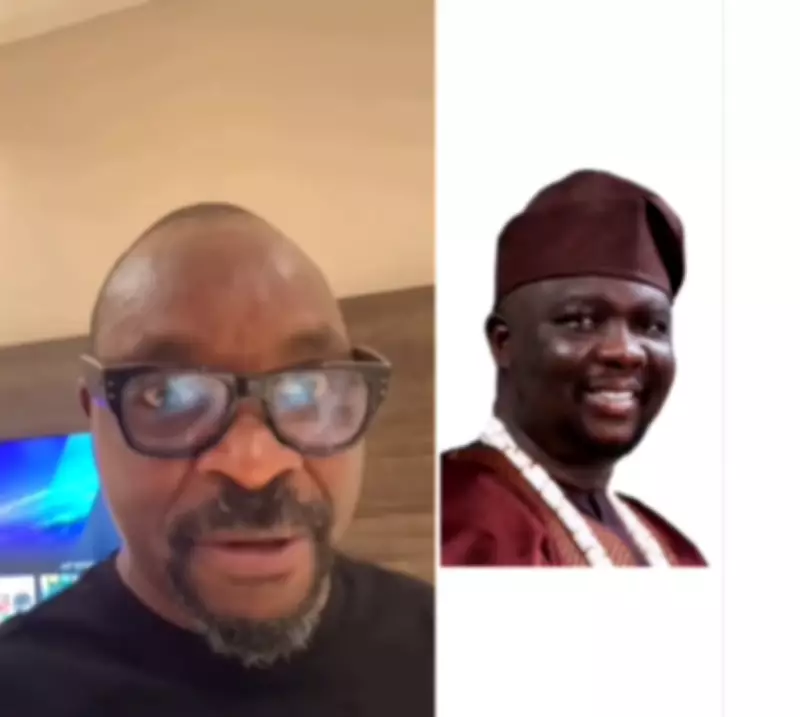
Businessman Isaac Fayose has issued a sharp retort to comedian Seyilaw following a heated exchange over political commentary in Nigeria. The dispute ignited after Fayose publicly called for President Bola Tinubu to resign or face impeachment by the Senate, citing severe vehicular traffic issues exacerbated by recent fuel price hikes.
Background of the Conflict
In a video shared earlier, Fayose expressed frustration with the worsening traffic congestion across Nigeria, attributing it directly to increased pump prices and broader economic policies under the current administration. He demanded immediate action, urging Tinubu to step down or be removed from office to address these pressing concerns.
Seyilaw's Counterargument
Reacting to Fayose's video, Seyilaw took to social media to challenge the businessman's claims. He argued that anyone with logical reasoning would recognize that traffic has actually decreased due to infrastructural developments, such as the construction of new roads like the Coastal roads and the commissioning of blue and red rail lines in Lagos. Seyilaw portrayed these projects as signs of progress and effective governance under Tinubu.

Fayose's Fiery Response
Not one to back down, Fayose responded with a video of his own, launching a personal attack on Seyilaw. He accused the comedian of having his "brain captured" and working for "slave masters," implying that Seyilaw's support for the government is disingenuous or coerced. Fayose then posed a pointed question: if Nigeria is truly as prosperous and well-managed as Seyilaw suggests, why does the comedian's family choose to live in the United Kingdom instead of residing in Nigeria?
This retort highlights a common critique in Nigerian public discourse, where individuals who advocate for the country's successes are sometimes questioned about their personal choices, such as living abroad. The exchange underscores deeper tensions regarding economic conditions, infrastructure, and political accountability in the nation.
As the debate continues to unfold online, it reflects broader societal divisions over the Tinubu administration's performance and the authenticity of public figures' endorsements. Both parties have garnered attention from followers, with many weighing in on social media platforms to support or criticize their respective stances.