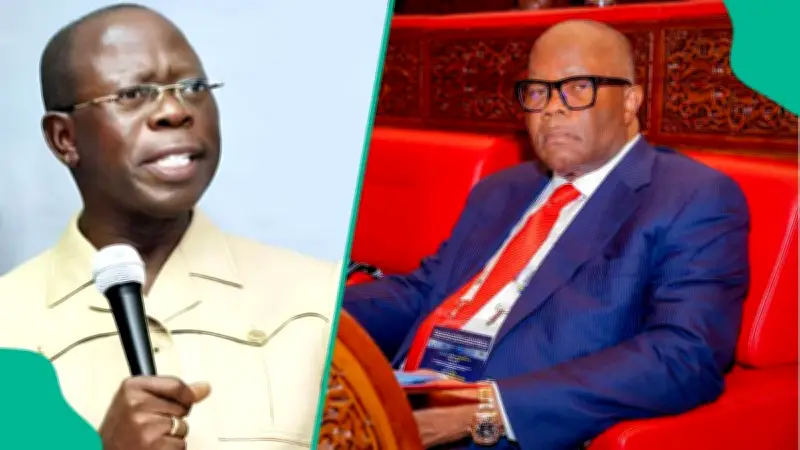
Senator Adams Oshiomhole's heated showdown with Senate President Godswill Akpabio has won him fresh admiration online, but political analyst Temidayo Akinsuyi questions whether this is a fight for Nigerians or a bid for Akpabio's seat. The confrontation erupted during a Senate session over procedural decisions, with Oshiomhole challenging leadership, sparking social media praise as a fearless truth-teller.
New Senate Rules Trigger Power Struggle
The clash is linked to the Senate's recent amendment of its Standing Rules, tightening eligibility for leadership positions. After a closed-door session, Orders 4 and 5 were amended to require at least two consecutive terms for presiding offices, with nominations following a ranking order. This effectively disqualifies Oshiomhole and other first-term senators from key posts.
Since then, Oshiomhole has granted interviews challenging Akpabio and disclosing internal Senate affairs, including the suspension of Senator Natasha Akpoti-Uduaghan.

Oshiomhole's Self-Image vs. Public Perception
Before crowning Oshiomhole the conscience of the Senate, Akinsuyi urges examining his political journey. He presents himself as unwilling to remain silent on procedural irregularities, but critics ask: why now? For younger Nigerians, viral clips rediscover him as combative and outspoken, but those who followed his career see shifting public images with political circumstances.
The Activist Years Built His National Image
Oshiomhole rose as NLC president under President Obasanjo, becoming a visible opposition figure leading protests. At his peak, he could declare a nationwide strike with millions complying. Professor Itse Sagay once encouraged him to challenge Obasanjo in 2003. That reputation propelled him to governor of Edo State for eight years.
Power, Controversy, and the Reality of Governance
One controversy involved Joy Ifije, a widow whose goods were confiscated in 2013. When she pleaded for leniency, Oshiomhole told her to "go and die." After national outrage, he apologized, offered financial assistance, and promised support for her children. The episode exposed a contrast between the labor leader and the governor.
Selective Battles and Political Timing
Consider his defense of Reno Omokri's ambassadorial nomination despite public opposition. Oshiomhole argued Omokri's willingness to reassess views reflected political maturity. This illustrates Nigerian politicians defending positions aligned with alliances, presenting them as principle. The same scrutiny should apply to his current Senate conduct.
The Consistency Test Every Politician Must Pass
His allegations about procedural irregularities have generated attention, but critics ask why some concerns are raised loudly while others are ignored. If transparency is guiding, consistency should be expected. Questions about due process and internal power struggles are recurring features of legislative politics. Citizens should interrogate: why was he silent on some issues and vocal on others? Are positions driven by principle or political advantage?
Nigeria's Culture of Political Hero Worship
Nigerian politics often encourages hero worship. Once a politician says something aligning with public frustration, many elevate them as a symbol of integrity, forgetting historical records. Politicians reinvent themselves without fully accounting for past actions. Oshiomhole is hardly the first nor will be the last to benefit.
What Should Define Political Credibility?
A politician's credibility should be measured by whether they applied the same standards when in power, when allies were under scrutiny, and when speaking out carried risks. This perspective is essential in assessing Oshiomhole's confrontation with Senate leadership. The media portrays a dramatic clash, but the deeper story concerns selective political outrage. Critics see a politician rediscovering accountability only when on the opposite side of political equations; supporters see a courageous truth-teller. The truth may lie in between.

Final Warning on Selective Praise
Nigerians should resist treating any politician as a saint for occasionally saying what the public wants. Oshiomhole has been labor leader, governor, party chairman, and senator. His record contains moments supporters celebrate and critics find troubling. To some, Akpabio may appear the worst Senate President for rubber-stamping presidency actions, but Akinsuyi doubts Oshiomhole would be different if he becomes Senate President. Democracy is strengthened when citizens evaluate politicians with consistency, applying the same standards to all public figures.