War of Attrition: A Long and Drawn-Out Conflict
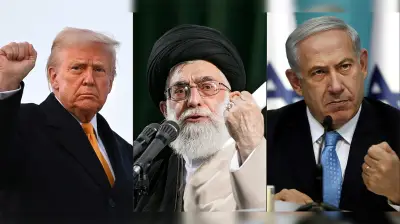
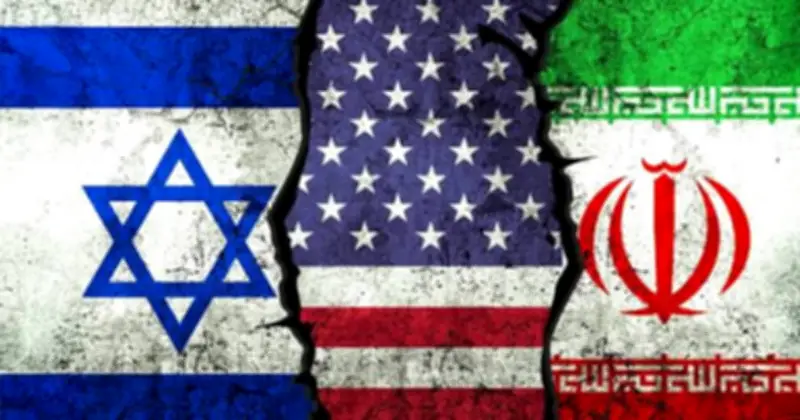
According to David A. Adenekan, a Political Affairs Analyst, the current war between Israel-America and Iran will not end soon. He cites a Yoruba proverb: 'You only know the beginning of a war, but you don’t know the end of a war.' Unlike the first Gulf War, which lasted 42 days and ended with a ceasefire on February 28, 1991, this conflict is a war of attrition—a military strategy aimed at wearing down the opponent through continuous heavy losses in personnel, equipment, and morale. The goal is to outlast the enemy by exhausting its resources and will to fight.
Global Effects: Deepening Ideological Divides
The war is exacerbating the divide between the Western bloc (United States, England, France, Germany) and the Eastern bloc (China and Russia). China and Russia are tacitly supporting Iran with intelligence, high-tech military technology, logistics, and hardware, including drones and missiles. This resurgence of the Cold War in the 21st century, if not properly managed, could trigger a Third World War, reallocating economic interests in developing economies, particularly Africa and the Middle East.
Strategic Importance of the Strait of Hormuz
Iran's geographic location gives it a significant advantage over the Strait of Hormuz, a narrow 20-mile waterway through which 20% to 25% of the global oil supply passes. Iran uses asymmetric tactics—small boats, drones, naval mines, and coastal missiles—to threaten oil vessels. As of today, Iran has effectively closed the Strait of Hormuz following American-Israeli strikes, causing an estimated 97% drop in maritime traffic and major global energy disruption. Insurers have stopped covering oil vessels, resulting in a de facto shutdown.

Economic Consequences: Scarcity and Inflation
The global effects include scarcity of refined petroleum products, long queues, and skyrocketing prices. The world's economy relies on steady energy supply; a 25% decrease in oil supply will cause a downward slope in national GDPs, negatively impacting productivity, inflation, and unemployment rates.
Religious War: A War of the Mind
Israel and America have the military might to win the war against Iran, but can they win a religious war? The conflict has strong religious undertones, rooted in the Abrahamic faiths. The killing of Ayatollah Ali Khamenei, a foremost Shia spiritual leader, by Israeli and American forces is seen as a call for religious war by Shia Muslims worldwide. Shia Muslims make up 10% to 15% of the global Muslim population, approximately 200 million to 260 million. This could lead to an increase in terrorism, banditry, suicide missions, and guerrilla warfare, perpetrated by groups like Hezbollah, Iranian Revolutionary Guards, ISWAP, Boko Haram, and others.
Historical Precedent: 2001 Kano Riots
Adenekan recalls the 2001 incident in Kano, Nigeria, where at least 200 people died during anti-American riots led by Muslims protesting the U.S.-led bombing of Afghanistan. The city was placed under a 7 p.m. to 6 a.m. curfew. This foreshadows potential violence as the current war escalates.
Conclusion: A New World Order?
The Israel-America war against Iran is a war of attrition with no end in sight. It carries the risk of World War III due to its religious undertones and significant economic implications for the entire world. Adenekan urges prayer that the conflict does not escalate further. Time will tell.