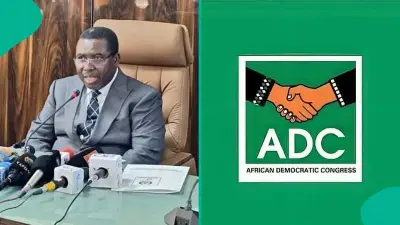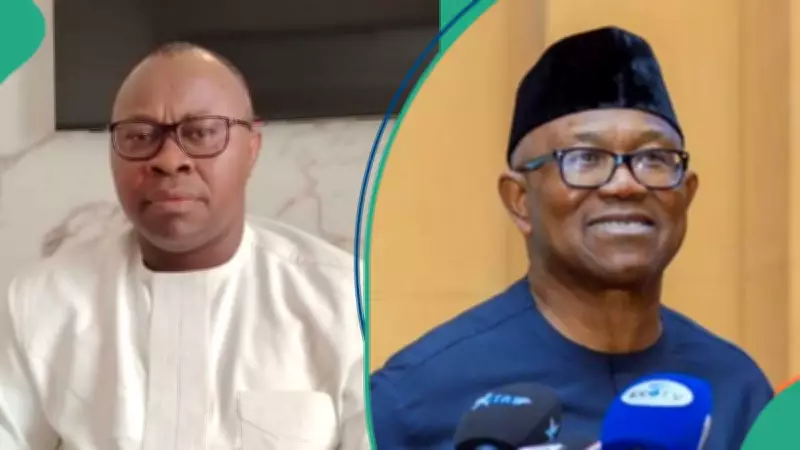
A prominent chieftain of the All Progressives Congress (APC) in Abia State, Prince Paul Ikonne, has strongly opposed the idea of a single four-year presidential term for the South-East region. He argued that the Igbo people deserve a full eight-year tenure, similar to other geopolitical zones, when it eventually becomes their turn to lead the nation.
Speaking during a media interaction on Thursday, May 14, in Abuja, Ikonne questioned the logic behind settling for a shorter period of governance. He asserted that political stakeholders in the region would not be misled by temporary promises.
Ikonne Criticizes Obi's Proposal
In a statement made available to Legit.ng, the former executive secretary of the National Agricultural Land Development Authority (NALDA) specifically addressed the aspirations of Peter Obi. Ikonne suggested that a four-year term would deprive the South-East of its fair share of national leadership. He noted that such a short window would be consumed by administrative setup and ministerial appointments before any real impact could be made.

“Why would he (Peter Obi) come and say that he wants to be President for four years? So he's trying to deprive the Southeasterners when other zones are doing eight years. No South-east man will vote for such a thing. No, not at all,” Ikonne stated.
Southeast Political Support for Tinubu's Reelection
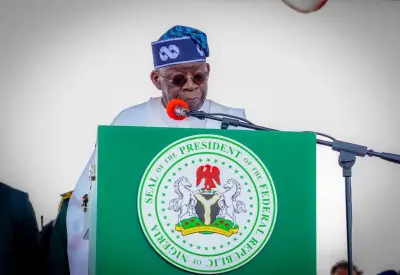
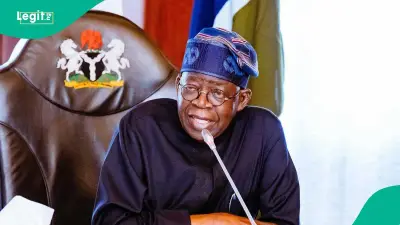
Ikonne revealed that significant political figures in the South-East are now aligning with President Bola Ahmed Tinubu for the 2027 general elections. He stated that governors across the region are working in harmony with the federal government due to the direct flow of resources to the states. According to the APC chieftain, the support includes Governor Alex Otti of Abia State, who won his seat under the Labour Party platform.
Ikonne insisted that the region seeks an Igbo president who will serve for eight years when the time is right.
Grassroots Mobilization via Asiwaju Tsunami Group
To solidify this support, Ikonne launched a grassroots mobilization group named “Asiwaju Tsunami in 2027.” He described the President's 2023 victory as a mere wind but predicted that the 2027 result would be a total wave across the country. He mentioned that Governor Hope Uzodimma of Imo State has established a team to sensitize Igbo traders and residents in markets throughout Nigeria to back the President.
Ikonne further commented on the political landscape in Abia South, where he plans to contest for the Senatorial seat currently held by Senator Enyinnaya Abaribe. He argued that the incumbent has spent two decades in the red chamber without delivering tangible constituency projects to the district. He claimed the constituents are ready for a change in representation as the 2027 cycle approaches.
Assessing Opposition Parties in Abia State
The APC leader dismissed the current strength of the Labour Party in Abia State. He pointed out that internal crises and the recent local government elections, which featured candidates under the Zenith Labour Party, indicate a decline in the party's influence. Ikonne suggested that even Senator Abaribe has lost credibility by moving between various political parties in recent years.
He concluded by noting that the decision of other political groups to zone their tickets to the South is a silent endorsement of the President's right to complete two terms. Ikonne maintained that the South-East is no longer an opposition stronghold because the people appreciate the dividends of democracy reaching the local levels. He believes that the commercial hubs of Aba and the oil-producing communities of Abia South will lead the charge for the President's return to office.
APC Suspends Congresses in Abia
Earlier, Legit.ng reported that ahead of the 2027 elections, the leadership of the All Progressives Congress (APC) had indefinitely postponed the ward congress in Abia State. In a letter to the Independent National Electoral Commission (INEC), the party’s national leadership stated that the suspension comes after ongoing consultations and the need to finalise certain preparatory and administrative processes.