ADC Crisis: An Unnecessary Political Distraction for Nigeria
As global tensions eased with a ceasefire in the Gulf conflict, many nations turned their focus inward to address domestic issues. However, in Nigeria, citizens continue to grapple with escalating hardships, exacerbated by a government seemingly more preoccupied with political maneuvering than substantive governance. The World Bank recently highlighted that Nigerians are paying 12 percent more for Premium Motor Spirit (PMS) compared to other countries, including those embroiled in warfare, with projections indicating further deterioration.
Global Standing and Domestic Neglect
While nations like Pakistan, despite facing similar challenges such as sectarian violence and economic instability, leveraged their military capabilities to broker international peace, Nigeria remained conspicuously absent from such global dialogues. Instead of safeguarding citizens from the fallout of global energy disruptions, political strategists in Abuja have intensified efforts to manipulate the electoral landscape, targeting opposition groups like the African Democratic Congress (ADC).
The Independent National Electoral Commission (INEC) recently declared the ADC without official leadership, withdrawing recognition of its activities. This move stems from controversial amendments to the Electoral Act of 2022, which critics argue have been weaponized to undermine opposition parties. The Inter-Party Advisory Council (I-PAC) has voiced concerns over expanded regulatory powers that restrict candidate selection, traditionally a constitutional prerogative of political parties.

Systemic Exclusion and Democratic Erosion
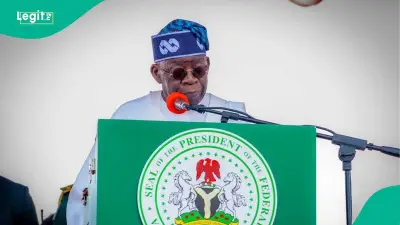
Pro-democracy advocates, including the Movement for Credible Elections (MCE), warn that provisions mandating comprehensive membership registers with National Identification Numbers (NINs) within tight deadlines risk disenfranchising millions and disproportionately harming smaller parties. They describe this as "systemic exclusion disguised as electoral reform." At a time when Nigeria requires robust leadership to address decades of misgovernance and restore its global stature, the Tinubu administration appears focused on weakening opposition and inflaming political tensions.
The ADC leadership, led by David Mark, has maintained stability through challenging off-cycle elections in states like Anambra, Kano, and Rivers. However, the emergence of a faction following Rabiu Musa Kwankwaso's involvement in Kano has sparked allegations of orchestrated interference by Abuja-based actors. This dispute, now pending judicial resolution, threatens to leave a major political party without acknowledged leadership during a critical election season, undermining democratic processes.
Broader Political Manipulation and International Scrutiny
Evidence suggests that the ruling All Progressives Congress (APC) is leveraging state institutions, including the judiciary and police, to destabilize opposition, mirroring tactics observed in countries like Uganda and Cameroon. The ADC's response includes plans to establish 12 foreign liaison offices as part of a Special Representatives Network (SRN) in key international capitals, such as Washington D.C., London, and Berlin. This initiative aims to draw global attention to undemocratic practices and electoral integrity issues ahead of the 2027 elections.
ADC officials report widespread attacks on their campaign offices and events across states like Edo, Kebbi, and Lagos, often without adequate law enforcement intervention. In response, former Vice President Atiku Abubakar, a prominent ADC member, has engaged a Washington-based firm to advocate against INEC's actions and potentially seek U.S. sanctions under the Global Magnitsky Act for electoral misconduct.
Security Concerns and Governance Priorities
Amid these political upheavals, Nigeria faces persistent security challenges, exemplified by recent terrorist attacks in Borno State. The U.S. Embassy's advisory for staff departure due to security risks underscores ongoing instability, yet the government's focus remains divided. Critics argue that instead of addressing terrorism and economic woes, Nigerian leaders are engineering unnecessary political crises, further eroding public trust and international confidence.

The ADC crisis represents more than an internal party dispute; it symbolizes a broader trend of democratic backsliding in Nigeria. As the country approaches another election cycle, the need for transparent, inclusive governance has never been more urgent. Without corrective measures, Nigeria risks deepening its political fractures and isolating itself on the global stage, a scenario it can ill afford amidst mounting domestic and international pressures.