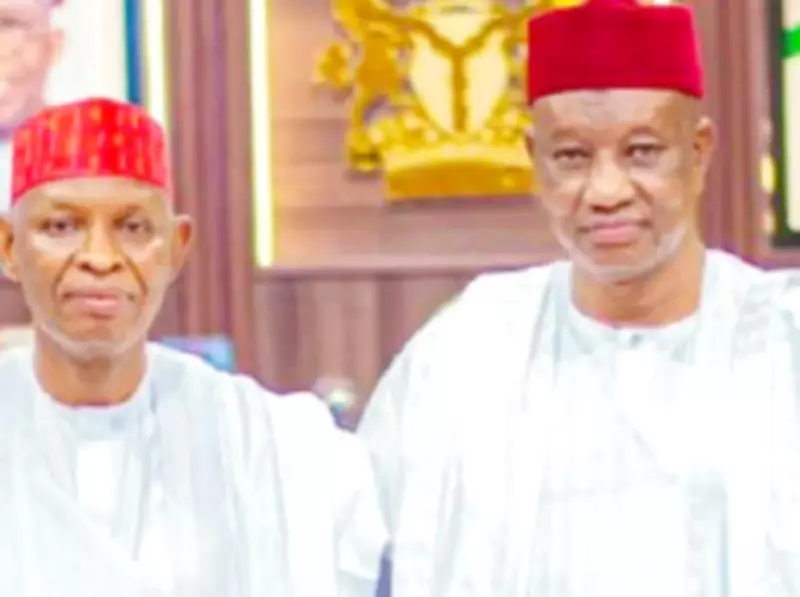
Kano State Assembly Commences Impeachment Proceedings Against Deputy Governor
The political landscape in Kano State has been thrust into turmoil as the State House of Assembly has officially begun impeachment proceedings against the Deputy Governor, Abdulsalam Aminu Gwarzo. This significant development unfolded during a plenary session where lawmakers raised a motion accusing the deputy governor of gross misconduct and abuse of office, setting the stage for a constitutional showdown.
Constitutional Grounds and Allegations
According to the assembly members, the decision to initiate the impeachment process is firmly rooted in the provisions of the 1999 Constitution of the Federal Republic of Nigeria. This legal framework empowers state legislatures to commence such proceedings against a deputy governor when allegations of gross misconduct are formally presented by members. The Speaker of the House confirmed that a notice of allegations has been served on Deputy Governor Gwarzo, granting him a two-week window to respond to the serious claims leveled against him.
The lawmakers emphasized that the process will strictly adhere to constitutional procedures. This includes the potential establishment of an investigative panel tasked with examining the allegations in detail and making recommendations to the Assembly. The move underscores the assembly's commitment to upholding legal standards and ensuring accountability in governance.

Specific Accusations of Financial Misconduct
The notice of allegations outlines specific and severe accusations against Deputy Governor Gwarzo. He is alleged to have received kickbacks from all 44 local government councils in Kano State over a seven-month period from June 2023 to January 2024. According to the lawmakers, Gwarzo collected approximately N1.5 million monthly from each council, amounting to a staggering N66 million per month and a total of N462 million within the specified timeframe.
These allegations paint a picture of systematic financial impropriety, raising serious concerns about corruption and the misuse of public funds at the highest levels of state government. The assembly's action reflects a broader effort to combat such practices and restore public trust.
Political Context and Broader Implications
The impeachment proceedings occur against a backdrop of political tension within Kano State. Notably, Deputy Governor Gwarzo has refused to join the All Progressive Congress (APC), despite the governor's defection from the New Nigeria Peoples Party (NNPP) to the APC in January of this year. This political rift has been further highlighted by reports that Gwarzo has not been seen around the governor or the government house since the defection, suggesting a deepening divide within the state's leadership.
This situation not only threatens the stability of the state's administration but also has potential ramifications for the broader political landscape in Nigeria. It serves as a stark reminder of the challenges faced in maintaining unity and integrity within government structures, especially during periods of political realignment.
As the impeachment process unfolds, all eyes will be on Kano State to see how these allegations are addressed and what impact they may have on governance and political dynamics in the region. The outcome could set a precedent for handling similar cases of alleged misconduct in other states across the country.