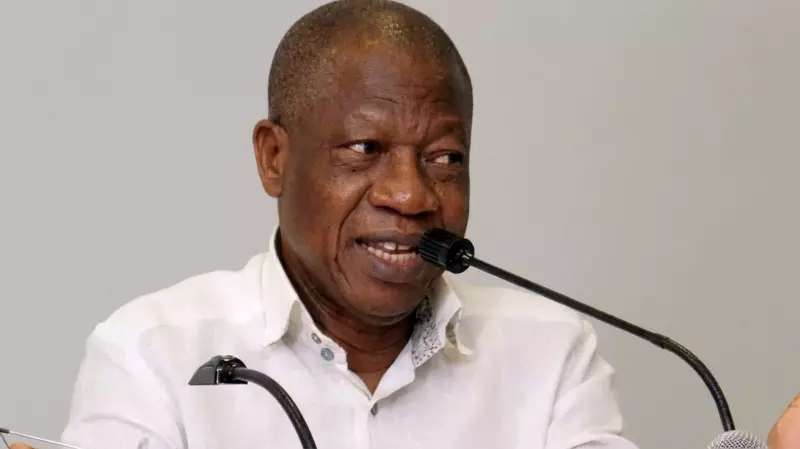
Alhaji Lai Mohammed, the former Minister of Information and Culture, has opened up about the real reasons behind his appointment into the cabinet of former President Muhammadu Buhari back in 2015. He stated that the appointment was not a sudden decision but the culmination of years of established trust, shared political convictions, and demonstrated loyalty.
The Foundation of Trust and the Transition Committee Call
Mohammed, who served for nearly eight years, shared these insights in his recently launched book titled Headlines and Soundbites: Media Moments that Defined an Administration. The book was presented to the public in Abuja on December 17, 2025, a date chosen to mark what would have been President Buhari's 83rd birthday.
He recalled that after Buhari's inauguration on May 29, 2015, there was a significant delay in announcing the ministerial list. However, Mohammed's journey into the administration began earlier. In April 2015, he received a direct and personal appointment from the President-elect to join the Ahmed Joda-led Transition Committee.

This appointment came even after other committee members had been named, highlighting the special confidence Buhari had in him. The committee's mandate was to interface with the outgoing administration of President Goodluck Jonathan, review handover notes, and develop a plan for the new government.
A Defining Phone Conversation
Mohammed detailed the pivotal phone call that led to this role. "Hello,' the voice on the line said. 'Is this Alhaji Lai Mohammed?'" he recounted. After confirming his identity, he was told to hold on for Mr. President.
"Then another voice, apparently that of the President-elect, came on the line and asked: 'Lai, where are you?'" Mohammed replied that he was in Lagos, to which Buhari inquired why he was there. "I live in Lagos, Your Excellency," was Mohammed's response.
Buhari then went straight to the point: "Are you not coming for the inaugural meeting of the Transition Committee in Abuja tomorrow?" When Mohammed clarified he was not a member, Buhari simply said, "Ok, Tunde (Sabiu, his longtime personal assistant) will call you," and ended the call.
"Within the hour, I received a call from Tunde, who asked where he should deliver the letter appointing me to the transition committee," Mohammed wrote. He noted that when the committee was first announced without his name, he felt no slight, only happiness for the party's electoral victory.
A Relationship Built Over Years
According to the former minister, this personal appointment marked the start of a special and cordial relationship that lasted until Buhari's death on July 13, 2025. The foundation for this bond, however, was laid years earlier.
Their first significant interaction was in 2012, when Mohammed, through Mallam Nasir el-Rufai, requested that Buhari write the foreword to his book, Witness to History. Buhari agreed and also attended the book launch.
The relationship deepened during the formation of the All Progressives Congress (APC) and the run-up to the 2015 elections. As the opposition spokesman for the Action Congress of Nigeria and later the APC, Mohammed was a regular participant in strategic meetings with Buhari in Kaduna. These meetings, often held on Mondays and Thursdays, included his political leader, President Bola Tinubu, and Chief Bisi Akande.
Mohammed also revealed that just before President Buhari's 100th day in office, a close confidant of the President asked him to assist the official spokesmen, Femi Adesina and Garba Shehu, ahead of the celebrations. The cabinet was still not formed at that time.
"I did not need a soothsayer to tell me that the call was a further indication of the President’s confidence in me," he wrote. The same confidant later told him that if there was anyone the President was certain would be in his cabinet, and whose portfolio he already knew, it was Lai Mohammed.

Reflections on Service and Legacy
Mohammed concluded that these long-standing interactions, built on mutual respect and shared ideals, formed the bedrock of the trust Buhari placed in him. "Serving in Buhari’s administration for nearly eight years allowed me to witness firsthand the former President’s dedication to discipline, integrity, and national service—values that guided my own conduct in office," he stated.
His account provides a rare behind-the-scenes look at the personal dynamics and political loyalties that shaped one of Nigeria's most prominent administrations in recent history.