Ned Nwoko Calls for United Igbo Support for Anioma State Creation
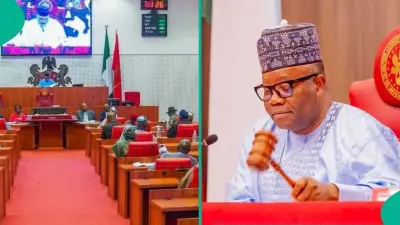
Senator Ned Nwoko, representing Delta North, has issued a compelling appeal to political leaders and stakeholders across the Southeast region of Nigeria. He urges them to rally behind the creation of Anioma State, which would serve as the sixth state in the zone. Nwoko describes this initiative as a historic and strategic opportunity for the Igbo nation, emphasizing the need for a unified approach to advance the cause.
Consolidating Support Amid Growing Momentum
In a press statement released from Abuja and disseminated to journalists, Nwoko stressed that the time is ripe for proponents of various state creation movements in the Southeast to set aside individual agitations. He called for consolidating support specifically for Anioma State, noting that this campaign is gaining unprecedented momentum in national discourse. The groundswell of support recently received a significant boost when Senate President Godswill Akpabio reaffirmed legislative and political backing for the initiative.
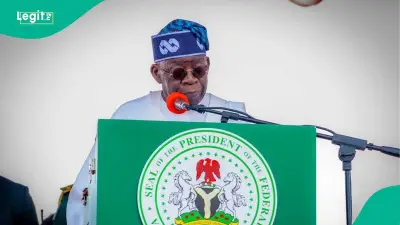
Akpabio highlighted that the administration of President Bola Ahmed Tinubu remains committed to realizing Anioma State, describing the agitation as historically justified. It is anchored on principles of equity, administrative efficiency, and balanced national development. According to Nwoko, the current campaign enjoys priority attention in the 10th Senate and holds strong potential to unlock socio-economic growth for the region.

Geopolitical and Economic Advantages
Beyond the political implications, Senator Nwoko underscored the far-reaching geopolitical and economic advantages of creating Anioma State, particularly for the Southeast. He explained that the emergence of Anioma would effectively reconnect the Igbo hinterland to vital coastal corridors through Delta State. This would provide long-sought access to the Atlantic Ocean via existing waterways and riverine infrastructure.
This access is expected to be transformative, opening up maritime trade routes, enhancing logistics efficiency, and reducing overdependence on congested ports outside the region. It would also catalyze industrialization, boost export capacity, and stimulate investments in sectors such as shipping, agro-processing, oil and gas support services, and inland transportation networks.
"Anioma State would not only serve as a strategic economic bridge between the Southeast and the South-South but will expand the geographical footprint of the Southeast," Nwoko stated. He added that it would strengthen the region's demographic and geographic bargaining power and undermine the tired insult that the region is just a dot on the map.
"Remember that for too long, the region has been unfairly labelled and constrained as landlocked. Some opinions also deride the Southeast as a dot nation—an insignificant portion of the Nigerian map. Anioma changes that narrative completely," he stressed.
Reinforcing National Cohesion and Unity
Senator Nwoko emphasized that the creation of Anioma would not only drive economic expansion but also reinforce national cohesion by linking historically and culturally connected communities across present-day Delta, the Southeast, and parts of Edo State. Calling for strategic alignment, he urged advocates of other proposed states in the Southeast, including Anim, to avoid dissipating political energy on parallel campaigns.
Instead, he called for a collective front in support of Anioma, noting that such unity would dispel longstanding narratives of disunity among Igbo-speaking people on matters of common interest. Nwoko urged Ndigbo to move beyond rhetoric and take concrete steps toward building cross-regional and bipartisan alliances to consolidate the widespread support already achieved for Anioma State.
"The continued agitation for multiple state proposals could inadvertently fuel division and reinforce perceptions of disunity, weakening the region’s negotiating strength within Nigeria’s competitive political landscape," he warned.
"Anioma represents a unifying cause," he added. "It transcends state boundaries, political affiliations, and generational divides. Supporting it does not require ideological uniformity, but it does demand strategic clarity and collective resolve."