Nigeria's democratic system is built on three distinct arms of government: the Executive, the Legislature, and the Judiciary. These institutions operate under the principle of separation of powers, which prevents the concentration of authority in any single body. The Executive implements laws, the Legislature makes laws, and the Judiciary interprets them. Together, they promote accountability, uphold the rule of law, and ensure effective governance across the nation.
Key Takeaways
- Nigeria operates a structured system of governance built on separated institutional powers.
- The Executive, Legislature, and Judiciary work independently but remain interdependent.
- Federal, state, and local administrations ensure governance reaches every level of society.
- The 2026 governance structure continues to emphasise constitutional democracy and accountability.
Three Arms of Government in Nigeria
Nigeria's government features three arms: Executive, Legislature, and Judiciary, designed to operate independently while checking one another. This structure draws from the doctrine of separation of powers, famously articulated by Montesquieu, to avoid tyranny and ensure efficiency. There are also three tiers of government in Nigeria: federal, state, and local. The three arms are explained below.
The Executive
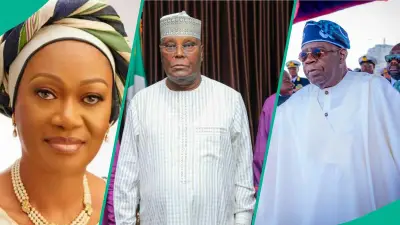
The Executive arm implements laws, formulates policies, and manages national affairs. It is headed by the President, who serves as both head of state and commander-in-chief of the armed forces. President Bola Ahmed Tinubu has held this position since 29 May 2023, with Vice President Kashim Shettima. The President is elected for a four-year term renewable once and must secure a plurality of votes plus at least 25% in two-thirds of the states and the Federal Capital Territory (Abuja). The Executive includes the Federal Executive Council (ministers, one from each state), special advisers, and ministries that handle sectors such as finance, education, health, defence, and infrastructure.

Key functions include: enforcing laws passed by the National Assembly; managing the economy, foreign policy, and national security; appointing key officials subject to Senate confirmation for many positions; and preparing and executing the national budget. A notable case study is the removal of fuel subsidies in 2023 under President Tinubu, implemented swiftly by executive action. While it aimed at fiscal reform, it sparked economic challenges and protests, underscoring the Executive's significant policy influence and the need for legislative oversight. The Vice President assists and assumes duties if the President is incapacitated. Ministers and heads of agencies drive sectoral implementation, but the Constitution bars them from serving simultaneously in the National Assembly to maintain separation of powers.
The Legislature
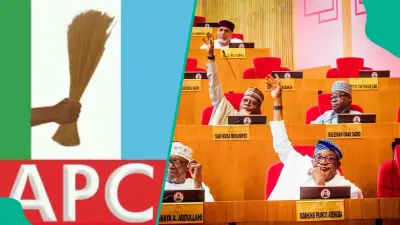
The National Assembly is the bicameral Legislature responsible for lawmaking and oversight. It consists of the Senate (109 members, three per state plus one for Abuja) and the House of Representatives (360 members), all elected for four-year terms. Key functions include: passing bills into law which require presidential assent, overrideable by a two-thirds majority; approving budgets, treaties, and key appointments; conducting oversight through investigations and public hearings; representing constituents; and amending the Constitution. The Legislature holds supremacy in lawmaking, determining the legal framework for society. However, it has faced criticism for alleged executive influence or internal self-serving decisions. In a 2026 case, a Federal High Court struck down the National Assembly's approval of N110 billion for lawmakers' SUVs and allowances, citing violations of procurement rules and of the public trust. This judicial intervention illustrated checks on legislative excesses amid public scrutiny over priorities in a high-poverty context.

The Judiciary
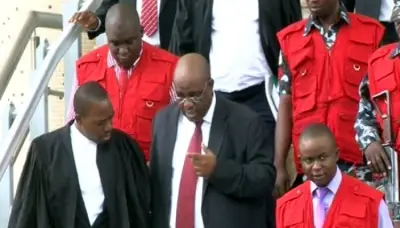
The Judiciary interprets laws, adjudicates disputes, and upholds the supremacy of the Constitution. The Chief Justice of Nigeria heads it, currently Justice Kudirat Kekere-Ekun. The Supreme Court, with the Chief Justice and associate justices, serves as the apex court. Key functions include: interpreting the Constitution and statutes; reviewing actions of the Executive and Legislature for legality; handling appeals, constitutional matters, and specific cases like treason or revenue disputes; and promoting rule of law and human rights. A recent landmark illustration is the Supreme Court's 2024 ruling affirming the financial autonomy of Nigeria's 774 local government councils, thereby reducing state-level interference and strengthening grassroots governance. This decision demonstrated the Judiciary's power to enforce federalism principles against Executive or state overreach. Challenges persist, including case backlogs (over 243,000 cases pending in superior courts as of early 2024) and allegations of politicisation, yet reforms such as salary increases for judicial officers aim to bolster independence.
How Many Arms of Government Are in Nigeria?
Nigeria has three arms of government: the Executive, the Legislature, and the Judiciary. These arms work together to govern the country while maintaining checks and balances to prevent the concentration of power.
What Are the Three Arms of Government and Their Functions in Nigeria?
The three arms of government in Nigeria are:
- Executive: Implements and enforces laws, manages government affairs, and formulates policies. Headed by the President.
- Legislature: Makes laws, approves budgets, and oversees the Executive. Headed by the Senate President and Speaker of the House of Representatives.
- Judiciary: Interprets laws, settles disputes, and protects the Constitution. Headed by the Chief Justice of Nigeria.
What Are the Three Tiers of Government in Nigeria?
The system of government in Nigeria has three tiers: the Federal Government, which governs the entire country; the State Governments, which administer the 36 states; and the Local Government Councils, which handle grassroots administration and community services.
What Are the Three Aims of Government in Nigeria?
The three main aims of government in Nigeria are to maintain law and order, protect citizens' lives and property, and promote the welfare and development of the people through effective policies and public services.
Nigeria's governance structure continues to rely on the separation of powers as a foundation for democracy and accountability. Each arm performs essential duties that keep the country functioning effectively. As democratic institutions evolve, the balance between the Executive, Legislature, and Judiciary remains central to national stability and development.