As Nigeria's prolonged economic difficulties continue to weaken household finances, widows and orphaned children are emerging as some of the most vulnerable groups, frequently missing from the country's formal welfare programs. Their increasing reliance on private and faith-based aid has brought renewed attention to the weaknesses in Nigeria's social protection system, especially during times of severe economic pressure.
Seasonal Outreach Highlights Systemic Gaps
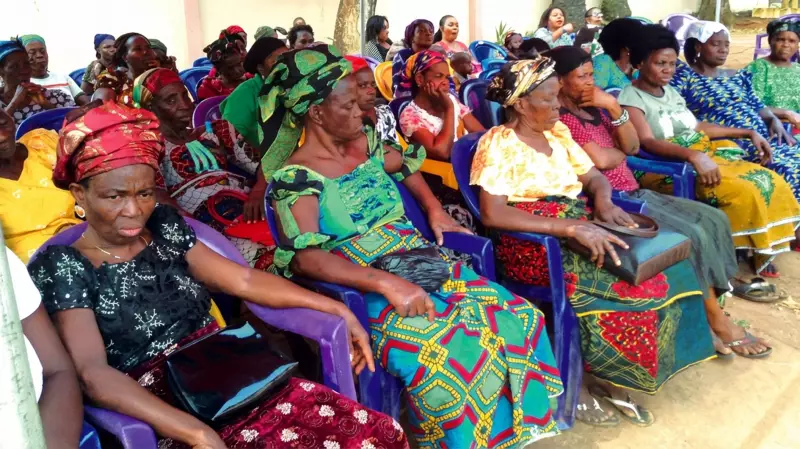
This troubling situation was clearly visible at the 11th edition of the Smile for Widows and Orphans Outreach, known as the SMILE Project. The event, held during the Christmas season, provided food, gifts, and some empowerment support to approximately 1,500 beneficiaries. While the effort offered short-term help, it also emphasized the lack of a reliable, nationwide safety net designed for vulnerable families.
Stephen Matthew, the convener of the initiative, explained that the outreach aims to prevent widows and orphans from being completely forgotten during festive periods. He pointed out that their financial struggles are frequently made worse by psychological pain and loneliness. Matthew stated the project's goal is to rebuild a sense of dignity and hope, which goes beyond simply handing out food supplies.

Formal Systems Fail to Capture the Most Vulnerable
Analysts observe that Nigeria's current social protection strategies have primarily aimed at broad poverty reduction, leaving specific groups like widows and orphans poorly registered in official welfare databases. Many individuals within these groups exist outside formal economic and social systems, which restricts their ability to receive targeted government support and forces them to depend more on community-organized relief work.
Halima Enike Matthew, co-founder of the SMILE Project, noted that the consistent expansion of their outreach reflects a rise in vulnerability and needs that are not being met. She described their work as a sustained commitment, not a single act of charity, and encouraged beneficiaries to stay strong in the face of worsening economic conditions.
The Call for Sustainable Support Systems
The SMILE programme included counselling and empowerment components, which experts in development say are crucial for preventing long-term dependency. Mike Oladun, a global evangelist and scholar in entrepreneurship development, praised the initiative as effective. He stressed that for aid to be sustainable, it must pair material help with skills training and psychosocial support, creating a path toward self-reliance.
The continued exclusion of widows and orphans from Nigeria's social safety net underscores a critical policy gap. As private efforts like the SMILE Project work to fill the void, the call grows louder for the government to develop inclusive, structured systems that protect society's most exposed members from the full force of economic hardship.