In a notable shift, former Kaduna State governor, Malam Nasir El-Rufai, has publicly commended the Federal Government's firm position against paying ransom to kidnappers. This marks the first time El-Rufai has praised an action by President Bola Tinubu's administration regarding the nation's security strategy.
Defence Minister's Unwavering Stance
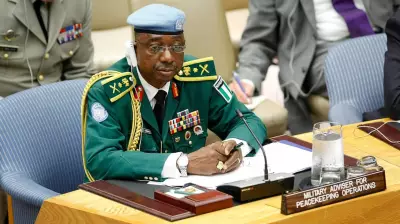
The commendation followed a recent interview by the Minister of Defence, General Christopher Musa (retd), with the BBC Hausa service. In the interview, General Musa categorically denied that the government engages in negotiations or makes ransom payments to secure the release of abducted victims.
Musa emphasized that the government's strategy relies on sustained military pressure and intelligence-led operations. He explained that when security forces intensify raids on criminal hideouts in forests, kidnappers often flee and abandon their captives, leading to rescues.

"The Federal Government does not pay ransom. Even if others do, the Federal Government does not. We do not pay ransom," the Defence Minister stated firmly, addressing persistent public speculation, particularly in high-profile cases involving schoolchildren.
El-Rufai's Reaction and Advice
Reacting via his official X (formerly Twitter) handle, El-Rufai described the minister's comments as both reassuring and refreshing. The former governor, who was known for his vehement opposition to ransom payments during his tenure in Kaduna, expressed strong support for the stated policy.
"God bless Minister Chris Musa for being a breath of fresh air. May Almighty God help him in his honest quest for real security," El-Rufai wrote.
He also offered advice to the Tinubu government, suggesting that the BBC Hausa interview should be urgently rebroadcast with an English translation to ensure the policy message reaches a wider national audience.
Why the No-Ransom Policy is Crucial
Both the Defence Minister and El-Rufai align on the core rationale behind the policy: paying ransom directly fuels the kidnapping industry. General Musa warned that such payments embolden criminals and create a vicious cycle where abduction becomes a lucrative enterprise.
"We also oppose it because if it continues, it will encourage people to kidnap for money. That is why we say people should stop paying ransom," Musa stated. He appealed to families and communities to involve security agencies immediately rather than negotiating privately with bandits.
The minister also issued a stern warning to communities against any form of collaboration with bandits, including selling them food or supplies. He labeled any money received from such transactions as "blood money," underscoring the moral and practical dangers of engaging with criminal elements.
Public Reaction and Broader Context
The announcement and El-Rufai's endorsement sparked significant discussion on social media platform X. Many users echoed El-Rufai's sentiments, praising the clarity and boldness of the Defence Minister's position. Others, however, questioned the practical realities on the ground and the effectiveness of a purely kinetic approach without negotiation in all cases.
This development occurs within a broader context of ongoing security challenges. General Musa has previously warned individuals, including prominent Islamic cleric Sheikh Ahmad Gumi, who are perceived as sympathetic to bandits, stating that anyone who aligns with criminals shares responsibility for their actions.
The Federal Government maintains that its multi-pronged approach, combining military force, intelligence, and community cooperation, remains the sustainable path to defeating kidnapping and banditry across Nigeria.