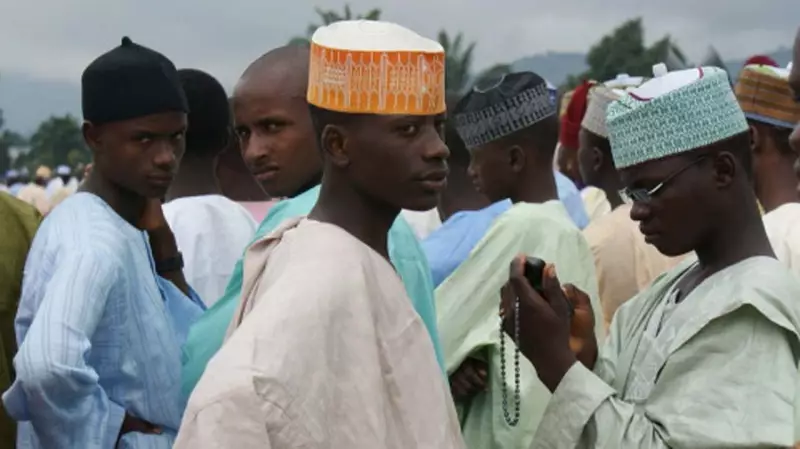
The continuous and large-scale movement of young men from Nigeria's Northern regions into Lagos State is generating increasing anxiety among residents and analysts. This trend, observed daily, involves trailer trucks traditionally used for cattle now ferrying human cargo into the nation's commercial capital.
A Pattern Emerges: From Ibeju-Lekki to Fagba
The issue gained significant public attention in May 2025, when a group of 89 youths from Katsina State arrived in the Ibeju-Lekki area. Initial panic over security implications was temporarily allayed when the Lagos State Police Command and the Dangote Refinery's Chief Security Officer clarified the group was recruited for legitimate labour work at the refinery by a contractor.
However, the sighting months later of a convoy of about five trailer trucks in the Fagba area, packed with Northern youths, reignited concerns. Observers note this is not an isolated event but a relentless daily influx, particularly noticeable at major entry points like Berger.

Beyond Routine Migration: Questions of Motive and Integration
While Nigeria's constitution under Section 41 guarantees freedom of movement, the nature of this influx raises specific alarms. The migrants often appear to be unskilled, uneducated, and underemployed. Their settlement patterns are unusual, with many massing in dingy areas, along railway tracks at Fagba, or cohabiting in abandoned buildings rather than renting proper accommodation.
Their economic activities typically involve riding okada and keke recklessly, engaging in menial jobs, or working as scavengers. This poses direct questions: why are such numbers being sourced from distant states like Katsina instead of from Lagos's own unemployed youth? What is the specific labour demand driving this?
Tangible Risks: Public Health and Security Implications
Analysts point to two primary areas of risk stemming from this unchecked influx. First is the threat to public health. The overcrowded and unsanitary living conditions of many new arrivals, coupled with poor waste disposal practices visible in public spaces, create a potential breeding ground for epidemics.
More pressing, given the national context of heightened banditry, kidnapping, and terrorism, are the security implications. There is a pervasive urban legend and fear that the trailer trucks might be concealing weapons alongside their human cargo. The concern is that criminal elements fleeing security operations in the North could be embedding themselves within these groups of youths. The sight of these trucks now prompts many Lagosians to ask: are we safe?
Public affairs analyst Dennis Onifade, who wrote from Lagos, argues that while the right to movement is fundamental, it is not absolute. The constitution allows for restrictions necessary for public safety, security, and health. He calls on Lagos authorities to move beyond passive tolerance and initiate active regulatory actions to monitor and manage this unusual pattern of migration, which he describes as resembling an 'invasion', before it escalates into a full-blown crisis.