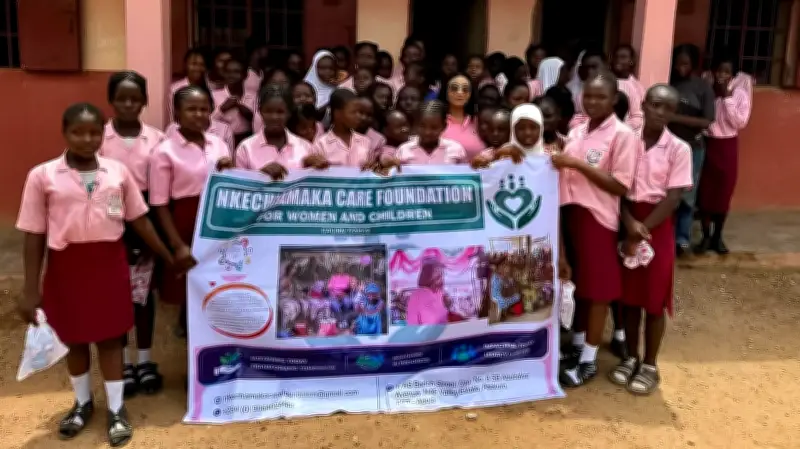
An Abuja-based NGO, Nkechiamaka Care Foundation, has reached 329 female students in Nasarawa State with awareness sessions on menstrual hygiene and drug abuse, alongside the distribution of sanitary pads. The outreach was held at Brainstorm Model Comprehensive Secondary School and Universal Basic Education Junior Secondary School, both in New Karu Ado, Nasarawa State.
Drug Abuse Crisis in Nigeria
Reports indicate that drug abuse remains a major public health and security challenge in Nigeria. According to the United Nations Office on Drugs and Crime (UNODC), Nigeria’s drug use prevalence stands at 14.4 per cent, nearly three times the global average, with more than three million Nigerians currently suffering from drug use disorders. The UN agency warned that the growing abuse of substances, particularly opioids such as tramadol, has become a significant health, development and security concern in the country.
Further reports show that the burden of drug abuse in Nigeria continues to place pressure on treatment and rehabilitation services. UNODC disclosed that one in every four Nigerians who abuse drugs is female, yet women account for only a small fraction of those receiving treatment. The agency also noted that Nigeria’s drug abuse rate remains significantly higher than the global average, raising concerns among policymakers, healthcare professionals and law enforcement agencies.

Foundation's Outreach Activities
The Foundation’s team, led by Founder Amb. Barr. Nkechi Linda Ufochukwu, delivered a talk on menstrual hygiene and self-care, engaging students in a question-and-answer session. At Brainstorm Model Comprehensive Secondary School, 129 girls participated in the session. Terver Felix Abor spoke on the social, health, and academic consequences of drug abuse, urging students to avoid harmful substances. The team moved to UBE Junior Secondary School at 12:47 p.m. where 200 girls were reached. Principal Mr. James Jezhi coordinated the event at UBE school, while Principal Mrs. Anwuna Rose Ufochukwu oversaw the session at Brainstorm school.
Similar sessions on menstrual hygiene and drug abuse were held, with students described as “curious and interactive.” Sanitary pads were distributed to all female participants in both schools to reinforce the lessons on menstrual health. A cultural dance by members of the National Youth Service Corps added a celebratory touch to the UBE school event.
Positive Reception and Future Plans
Teachers and students in both schools expressed appreciation to the Foundation, pledging to apply the knowledge gained. Other members of the Foundation present included Haruna Christopher, Nnadi Chiebuka Prince, Terver Felix Abor, and cameraman Ugbonna. According to the Foundation, the outreach achieved its objectives of promoting health, wellness, and social awareness among young girls. It restated its commitment to continuing similar initiatives across Nasarawa State and beyond.