A prominent leader of the Miyetti Allah Cattle Breeders Association of Nigeria (MACBAN) has described recent United States military actions in the country as a double-edged sword. While acknowledging their strategic intent, he issued a stark warning about the potential dangers to civilians if such operations are not perfectly synchronized with local forces.
Strategic Support vs. Unintended Consequences
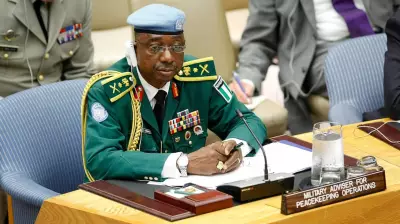
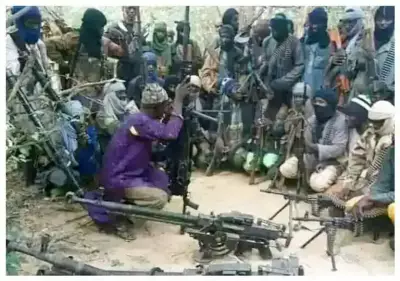
The comments come in the wake of a US military strike against ISIS terrorists in Sokoto State on Christmas Day, December 25. Captain Abdullahi Bakoji, the Kano State Chairman of MACBAN and a retired military officer, offered his perspective on the foreign intervention aimed at weakening insurgent groups in the region.
Bakoji explained that the goal of reducing the strength of armed factions is logical from a strategic viewpoint. However, he stressed that the execution of such missions is fraught with peril. "The United States tries to weaken insurgents as said, then in that sense, the goal is understandable if it is so," he told reporters. "However, such operations carry risk if not fully coordinated with Nigerian security forces."

The Critical Need for Local Collaboration
The retired officer elaborated that acting without seamless local cooperation often triggers a chain of negative outcomes. He highlighted two major risks:
- Displacement of violence: Military pressure can push insurgents into areas that were previously peaceful, spreading instability.
- Breakdown of trust: Operations that endanger local communities can severely damage the relationship between those communities and the government.
Bakoji emphasized that this lack of a unified front could ultimately sabotage the stability that international partners seek to help achieve. "Uncoordinated actions can endanger civilians, undermine local governance or even push insurgents into other areas," he stated. "For these operations to be effective, the Nigerian government must ensure close collaboration with international partners to protect civilians."
The Path to Lasting Peace in Nigeria
While recognizing that foreign military assistance can offer a short-term tactical advantage, Captain Bakoji argued that Nigeria's long-term security cannot be outsourced. He concluded that sustainable peace will depend less on external interventions and more on building robust internal systems.
The foundation for lasting stability, according to him, must be built on a tripod of effective governance, resilient national security institutions, and active, respectful engagement with local communities. This internal capacity building, he suggested, is far more crucial for Nigeria's future than reliance on foreign military power alone.