A coalition of 200 Civil Society Organisations (CSOs) has praised the Nigerian Armed Forces for what it described as significant progress in the fight against terrorism, banditry, and other security threats across the country. The assessment was contained in the coalition's latest quarterly independent report released in Abuja.
CSO Commend the Armed Forces for Improved Inter-Service Cooperation
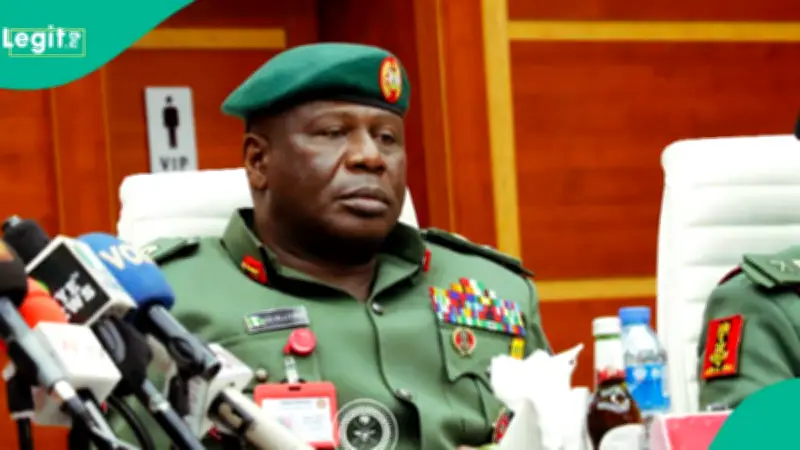
The group also commended the Chief of Defence Staff, General Olufemi Oluyede, for strengthening coordination among the armed services and expanding intelligence-driven military operations, according to Daily Nigerian reports. The report, signed by the coalition's Convener, Patriot Tobias Ogbe, attributed the recent operational gains to the commitment of troops deployed across different theatres of operation.
According to the coalition, the Defence Headquarters has improved cooperation between the Nigerian Army, Navy, Air Force, and other security agencies since Oluyede assumed office in October 2025. It said the renewed collaboration had disrupted terrorist activities, weakened bandit camps in the North West, and reduced the ability of criminal groups to occupy territories. The report also noted that military operations in the North East had improved security in several communities, allowing displaced residents to return home while economic activities gradually resumed.

What Challenges Remain for Security Forces?
The coalition stated that sustained operations in the South South had also reduced crude oil theft and maritime crime, contributing to greater economic stability. “We strongly commend the Nigerian Armed Forces and General Olufemi Oluyede for their strategic leadership in joint coordination. The impressive successes recorded are a direct product of the sacrifices by our gallant troops who continue to put their lives on the line for national security,” Ogbe said.
While acknowledging the progress, the report maintained that threats from Boko Haram, ISWAP, bandits, kidnappers, and communal violence had not been completely eliminated. It added that the military had continued adapting its operations to respond to changing tactics adopted by criminal groups. The coalition identified porous borders, difficult terrain, and limited resources as challenges still affecting security operations. It, however, noted that the deployment of drones, improved surveillance systems, and stronger cyber capabilities had boosted operational effectiveness.
Economic Impact and Recommendations
The report also linked improved security to the reopening of transport routes, the return of farming activities, and a decline in pipeline vandalism across parts of the Niger Delta. The coalition called for greater investment in intelligence gathering, border security, and personnel welfare. It also urged stronger cooperation between security agencies, increased funding, and sustained public support, while maintaining that military action alone would not resolve Nigeria's security challenges.
Agbese: Joint Military Operations Recorded Major Gains Under Oluyede
Earlier, Legit.ng reported that the deputy spokesperson of the House of Representatives, Philip Agbese, had praised the Nigerian Armed Forces for what he described as significant operational achievements under the leadership of the Chief of Defence Staff, General Olufemi Oluyede. The Labour Party lawmaker, who represents Ado, Okpokwu, and Ogbadibo Federal Constituency of Benue State, in a statement made available to Legit.ng, said improved collaboration among the country's security services had strengthened the fight against terrorism, banditry, kidnapping, and oil theft across different parts of Nigeria.