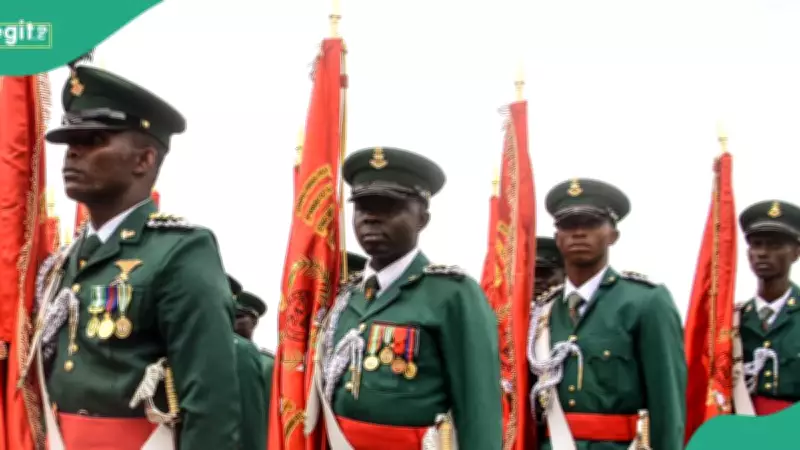
The Nigerian Army has expressed concern over the low turnout of youths from the Southeast in its 91 Regular Recruits Intake, despite repeated sensitisation efforts ahead of the May 27 deadline. Applications from the region remain significantly low, with Anambra recording about 117 and Enugu around 100, compared to thousands from states like Kaduna, which reportedly recorded over 3,000.
Army's Efforts and Persistent Low Turnout
The Army has initiated town hall meetings with traditional leaders and state governments to encourage participation and debunk misconceptions, but the situation persists. Recently, the International Society for Civil Liberties and Rule of Law (Intersociety) raised concerns over what it described as eight “atrocity policies and conducts” by successive Nigerian governments since 2015, which it says have discouraged Southeast youths from joining the military.
Intersociety argued that alleged incidents have eroded trust in the armed forces and contributed to declining enlistment from the Southeast into the military, police, and intelligence services. The group attributed the trend to what it called “systematic structural, physical, and cultural violence” against people from the region since July 2015, citing reports from human rights organisations alleging cases of extrajudicial killings and enforced disappearances during military operations.

Family Concerns and Regional Grievances
Many families now discourage their children from joining security agencies due to fears of targeting, disappearance, or discrimination, while some officers from the region have reportedly resigned over security concerns. Intersociety further listed issues such as alleged killings during counter-insurgency operations, internal insecurity faced by Southeast officers, and destruction of property during military actions, which have deepened mistrust between the region and security institutions. Concerns over safety, deployment risks, and perceptions linked to groups like IPOB have also influenced low recruitment, with some youths viewing federal security agencies as unwelcoming.
Ex-Soldier Details Harsh Military Realities
An ex-serviceman from Anambra East local government area, Mr. Uwabunike Samson, provided further insight. Uwabunike, who spoke with our correspondent on Friday, April 24, said he resigned voluntarily after thirteen years of service. According to him, out of those years, he spent ten in parts of Borno, Taraba, and Yobe states fighting insurgency. “Throughout this period, I was permitted to meet my family very briefly for 2 times; yet, that dedication earned me no reasonable ranks,” he lamented.
He added: “During our operations, I found out that the ammunition used by the bandits is far more sophisticated than what Nigerian soldiers use. We were sent to fight bandits, but they would chase us with their sophisticated weapons as if we were the bandits - and they were the legitimate people fighting us.” Uwabunike also criticised the integration of Boko Haram fighters into the Nigerian army, calling them “repentant” but saying their roles were to sabotage soldiers, leading to failed operations, mass capture, injuries, and death.
“Each time we looked around and saw dead bodies of our brothers and friends from the southeast littered the ground, we, the remnants from the region, felt discouraged, because, once you're dead, you're dead - and nobody takes care of your wife and children,” he said. He noted that many soldiers from the southeast, posted to war-torn regions, would drop their guns and run away out of fear, and would tell their Igbo brothers to seek other jobs and leave military service for “Nigerians” instead of being wasted.

Ohanaeze Leader Alleges Igbo Marginalisation
A former Vice President General of Ohanaeze Ndigbo worldwide, Ichie Damian Okeke Ogene, said that many things have happened to discourage Igbo youths from joining the military. In an interview on Thursday, April 23, Ogene stated that Igbo people are treated as if they do not belong to one Nigeria. “They may be surprised that Igbo youths are no longer enrolling in the Nigerian Army. Is it not more surprising also that out of the entire service chiefs in Nigeria, they do not manage to put even one Igbo man there? When it comes to promotions and placement into juicy positions like service chiefs, they will look for their tribespeople,” he said.
He questioned: “Is it in recruiting soldiers that they will send to the North East and Sambisa Forest that they will remember that Southeast is part of Nigeria? Igbo youths in the National Youth Service come out in their thousands, but will secure no job from the federal government. When it comes to juicy positions, the Nigerian government will not remember the southeast.” Ogene concluded that it will take a long time to change this trend unless the government decides to take action against marginalisation of the southeast.
Nigerian Army Salary Structure for 2026
Earlier, the Nigerian Army salary structure for 2026 was outlined, showing estimated monthly earnings across ranks from Private to Major General. Entry-level Privates earn about ₦104,500 monthly, while mid-ranking officers such as Majors and Colonels earn between ₦380,500 and ₦580,500. At the senior level, Brigadier Generals and Major Generals reportedly earn up to ₦1.15 million monthly.