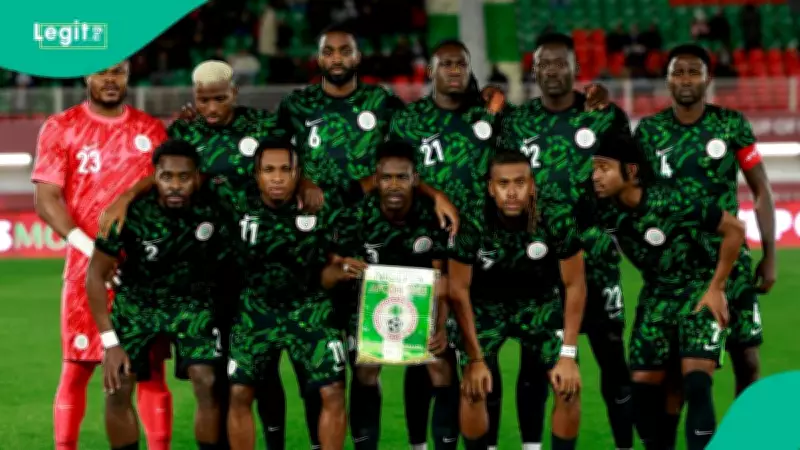
A former England international has shared her perspective on why the Super Eagles of Nigeria failed to secure a spot at the 2026 FIFA World Cup. The three-time African champions lost 4-3 on penalties to DR Congo in the World Cup playoffs held in Morocco last November, missing out on a second consecutive appearance at the global tournament.
Distractions from Protest Blamed
Eniola Aluko, who previously played for Chelsea and the England national team, attributed Nigeria's failure to qualify to the timing of a protest by the players over unpaid allowances. According to Aluko, the distraction affected the team's focus and psychology ahead of the crucial playoff matches.
Nigeria had improved under coach Eric Chelle, finishing second behind South Africa in 2026 CAF Qualification Group C. The Super Eagles advanced to the African playoffs alongside Cameroon, DR Congo, and Gabon. They defeated Gabon 4-1 in the semifinal but fell to DR Congo in the final on penalties.

Aluko stated: "We are not going to the FIFA World Cup because we lost to DR Congo. They were not good enough on the day. I agree we should have won, but going on strike is not the reason we lost the game. But I think the timing was wrong. If they agree to do that, they are not focusing one hundred percent on what they need to do."
Call for Better Management
The former striker emphasized that the Nigerian Football Federation (NFF) and team management must ensure players are paid on time to eliminate any excuse for protests. "That's an easy thing. Just pay people on time so they don't have an excuse to say when they lose," she added.
The Super Eagles players and staff boycotted training in protest of unpaid allowances ahead of the playoff against Gabon. Head coach Eric Chelle was also reportedly owed several months' salary by the federation. Negotiations between the team, NFF, and the National Sports Commission eventually led to a compromise that allowed training to resume.
NFF President Ibrahim Gusau confirmed that all outstanding financial issues had been addressed, though the full details of the agreement remain confidential. Gusau had earlier acknowledged that the players were owed some bonuses after winning the 2025 WAFCON, but he downplayed the extent of the arrears reported in the media.
Aluko's comments highlight the broader challenges facing Nigerian football, including administrative and financial mismanagement that can derail the team's performance on the biggest stage.