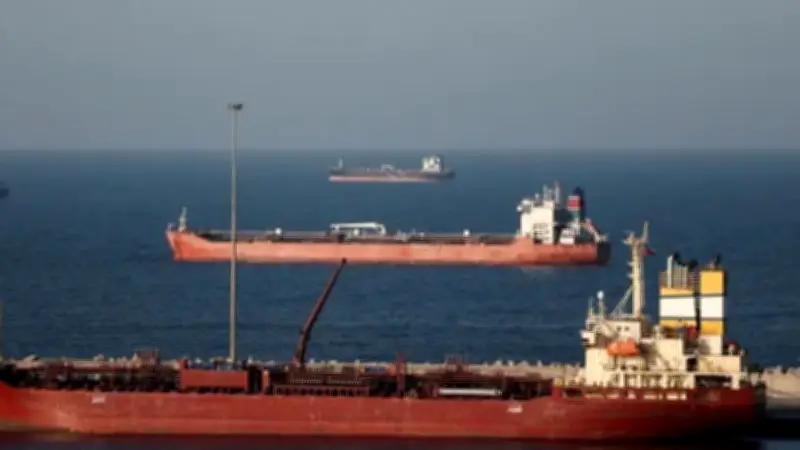
Iran's Khatam al-Anbia Central Headquarters announced on Saturday the closure of the Strait of Hormuz to vessel traffic, citing the United States' breach of commitments under the first article of the memorandum of understanding (MoU) on ending the war. The statement also referenced continuous violations of the ceasefire by the Zionist regime in southern Lebanon, including the brutal killing and displacement of hundreds of thousands of innocent people, as well as the failure of occupying forces to withdraw from the region.
First Step of Response
The headquarters emphasized that the closure is the first step in response to the enemy's breach of trust, warning that further measures will be taken if aggression continues, to compel the enemy to adhere to its commitments.
Background of the MoU
The Islamabad Memorandum of Understanding between Iran and the United States was signed on June 18, 2026, by Iranian President Masoud Pezeshkian and US President Donald Trump through a simultaneous digital process without an in-person ceremony. Iranian officials described the document as a political framework designed to end the imposed US-Israeli war of aggression against Iran and pave the way for a comprehensive final agreement.

The memorandum was finalized after weeks of negotiations and signed in both Persian and English. Its first article provides for the immediate and permanent termination of military operations between Iran, the US, and their allies across all fronts, including Lebanon, and commits parties to refrain from future military action or threats of force. The memorandum also stresses respect for Lebanon's territorial integrity and sovereignty.
Negotiations and Mechanisms
Negotiations on a final agreement are scheduled to conclude within a maximum of 60 days and are expected to result in a binding United Nations Security Council resolution. The memorandum establishes a phased economic and maritime mechanism under which Washington agreed to begin lifting restrictions affecting Iran, including measures related to oil exports, banking transactions, insurance, transportation, access to frozen assets, and the removal of the naval blockade according to agreed timelines.
In parallel, Iran committed to facilitating secure commercial navigation through the Persian Gulf and the Strait of Hormuz and to coordinating future maritime arrangements with Oman and other regional littoral states in accordance with international law.
Nuclear Issue
On the nuclear issue, the memorandum reaffirms Iran's stated position against pursuing nuclear weapons while opening a negotiation track on enrichment, sanctions relief, and arrangements concerning enriched materials under a mutually agreed mechanism and International Atomic Energy Agency supervision. Pending the final agreement, Iran is to maintain the current status of its nuclear program, while the US is to refrain from imposing new sanctions or deploying additional military forces in the region.