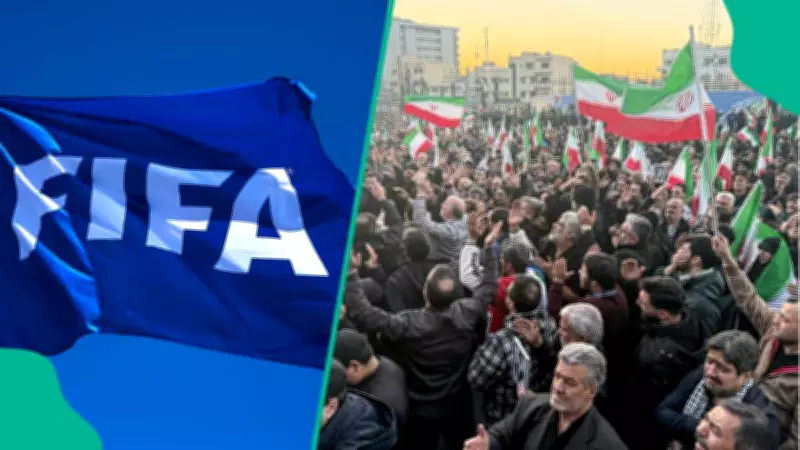
FIFA Grapples with Escalating Crisis as Iran Mulls 2026 World Cup Boycott
FIFA is embroiled in a significant new crisis, with uncertainty looming over the participation of the Iranian national team in the 2026 World Cup, hosted by the United States, Mexico, and Canada. This development follows a joint military operation by the United States and Israel against Iran, which reportedly resulted in the deaths of multiple Iranian leaders, including Supreme Leader Ayatollah Ali Khamenei. The attack, conducted in the early hours of Friday, February 28, 2026, targeted government and military infrastructures, escalating tensions and casting doubt on Iran's involvement in the upcoming global football tournament.
Iran's Football Federation Considers Boycott Amidst Geopolitical Turmoil
Mehdi Taj, the President of the Iran Football Federation, addressed the nation via television, confirming that Iran is actively considering a boycott of the 2026 World Cup. He stated, "With what happened today and with that attack by the United States, it is unlikely that we can look to the World Cup with hope, but it is the heads of the sport who must decide on that." This potential boycott is not Iran's first protest against FIFA events; the country previously boycotted the World Cup draw in December 2025 after the US denied visas to senior federation members. In response to the recent attacks, Iranian football leagues have been suspended, and airspace across many Middle Eastern nations has been closed, further complicating the situation.
FIFA's Response and Ongoing Security Concerns
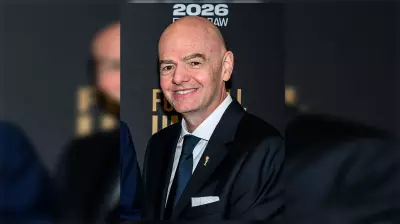
FIFA, through its general secretary Mattias Grafstrom, has acknowledged the incident, emphasizing the organization's commitment to ensuring a safe and inclusive tournament. Grafstrom remarked, "I read the news the same way you did this morning. We had a meeting today, and it would be premature to comment on that in detail. But of course, we will monitor the developments around all issues around the world... and of course, our focus is to have a safe World Cup with everybody participating." This crisis compounds existing security challenges for FIFA, including ongoing violence in Mexico following the death of cartel leader El Mencho, which threatens host city Guadalajara and the intercontinental playoffs scheduled for March.

Implications for the 2026 World Cup Schedule and Matchups
Iran's scheduled group-stage matches at the 2026 FIFA World Cup are all set to take place on US soil: against New Zealand on June 15 in Los Angeles, Belgium on June 21 in Los Angeles, and Egypt on June 26 in Seattle. If Iran proceeds with the boycott, it could disrupt the tournament's format and competitive balance. Additionally, there is a possibility of a knockout-stage encounter between Iran and the United States if both teams finish second in their respective groups, recalling their previous meeting in the 2022 World Cup group stage, where Christian Pulisic's goal secured a 1-0 victory for the US in Qatar.
As FIFA navigates these geopolitical and security hurdles, the organization's ability to manage crises and uphold the integrity of the World Cup is under intense scrutiny. The coming weeks will be critical in determining whether Iran participates and how FIFA addresses the broader implications for global sports diplomacy.