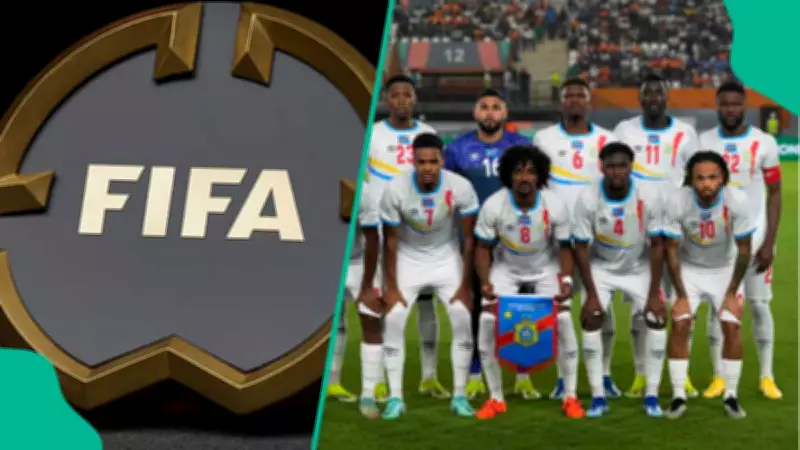
FIFA World Cup Drama: Nigeria and DR Congo Clash Over Player Eligibility
Drama is intensifying at the highest levels of world football as the Nigeria Football Federation awaits a critical ruling from FIFA on its petition against the Democratic Republic of Congo. The case revolves around allegations that six Congolese players were ineligible during the 2026 World Cup African play-offs, where Nigeria suffered a penalty shootout defeat in Morocco. FIFA's scheduled meeting on Monday, February 16, is poised to address this protest, with the outcome potentially reshaping Africa's final World Cup qualification landscape.
High-Stakes Verdict and Potential Reinstatement
Should FIFA uphold Nigeria's complaint, the Super Eagles could be reinstated into the intercontinental play-offs in Mexico later this month, where one of the last tickets to the 2026 World Cup in the United States, Canada, and Mexico is up for grabs. This decision carries immense weight, not only for Nigeria's World Cup aspirations but also for setting a precedent in how FIFA handles eligibility disputes amid complex nationality laws and globalised football careers. NFF officials have expressed confidence in their evidence, with General Secretary Mohammed Sanusi stating, "If we knew we didn’t have a chance, we wouldn’t have petitioned." He emphasised that Nigeria followed due process in submitting documents and legal arguments.
Political Intrigue and Lobbying Allegations
Adding a layer of political intrigue to the case are reports involving CAF General Secretary Véron Mosengo-Omba, a Swiss-Congolese national with close ties to FIFA President Gianni Infantino. Sources claim that Mosengo-Omba and other Francophone football executives are attempting to sway opinion within FIFA to protect DR Congo's qualification hopes. While no official wrongdoing has been established, these allegations have heightened tensions. Mosengo-Omba, previously investigated and cleared over financial conduct at CAF, remains a prominent figure in African football politics, drawing attention during sensitive decisions. FIFA is reportedly treating the file with exceptional caution to avoid reputational damage, especially as both nations are prepared to appeal to the Court of Arbitration for Sport if dissatisfied.

Core of the Dispute: Nationality-Switching Regulations
At the heart of the dispute lies FIFA's nationality-switching regulations, which allow a player to change international allegiance only once through a formal, documented process approved by FIFA. According to BBC Sports, Nigeria argues that the Congolese FA misrepresented facts regarding the nationality status of certain players, particularly given DR Congo's domestic law prohibiting dual citizenship. The NFF contends that FIFA may have been "deceived" into clearing the players, even if paperwork appeared valid on the surface. Recent precedents, where FIFA has taken a firm stance in other eligibility cases, have bolstered Nigeria's belief that the governing body will prioritise regulatory consistency. A successful appeal would see Nigeria face the winner of Jamaica vs New Caledonia in Mexico, with a World Cup spot at stake.
This verdict is not just about football outcomes; it could influence future eligibility disputes and highlight the challenges of navigating international sports regulations in a globalised era.