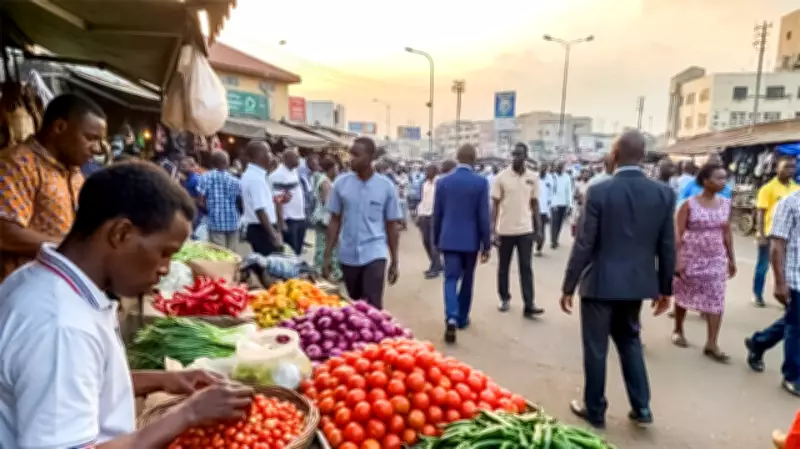
The Federal Government's implementation of the 2026 Fiscal Policy Measures (FPM), including tariff amendments on agricultural produce, has generated mixed reactions across Nigeria. While consumers express relief at the prospect of lower food prices, farmers and industry stakeholders voice concerns over potential negative impacts on local production and food security.
Details of the Tariff Adjustments
Announced by former Minister of Finance Wale Edun shortly before his departure, the new policy reduces import duties on key commodities. Bulk rice tariffs drop to 47.5% from 70%, broken rice to 30%, crude palm oil to an effective rate of 28.75%, and raw sugar to between 55% and 57.5%. Refined salt for human consumption is now set at 55%. The policy includes a national list of 127 tariff lines with reduced rates aimed at stimulating growth in critical sectors. A 90-day grace period allows importers who opened Form 'M' before April 1 to clear goods at previous rates.
Consumer Relief vs. Farmer Distress
Following earlier government interventions, prices of staples like rice, maize, cassava products, tomatoes, and vegetable oils had already declined, offering relief to consumers. However, local farmers face declining revenues amid high production costs. Reports from rice-producing states indicate about 3,500 rice farmers are considering exiting the sector after losses exceeding N93 billion. Cassava farmers face similar challenges. The tariff cut raises fears of worsening the plight of farmers and pushing them deeper into debt.

Mixed Expert Opinions
Adetiloye Aiyeola, CEO of Produce Export Development Alliance (PEDA), describes the policy as "both necessary and very risky." He acknowledges that reducing import duties can quickly increase supply and lower prices, benefiting urban consumers. However, he warns that cheaper imports will pressure local farmers, potentially forcing them out of business. "If this policy stays long without supporting local production, it solves today's price problem but creates a supply problem tomorrow," he says. He advocates for parallel support for farmers, including access to finance and logistic subsidies.
In contrast, Dr. Muda Yusuf, CEO of the Centre for the Promotion of Private Enterprise (CPPE), downplays negative impacts. He notes that unlike previous zero-duty waivers, the new measures involve reduced but still significant tariffs. For example, a 47.5% duty on bulk rice means an additional $475 on a $1,000 import, plus other charges, making imported rice not as cheap as before. He emphasizes the need for enforcement and curbing smuggling to ensure the policy's success.
Long-Term Implications
The policy underscores a delicate balance between immediate consumer relief and long-term agricultural sustainability. While lower tariffs may ease food inflation, experts caution against over-reliance on imports. Building local production efficiency and competitiveness remains crucial for Nigeria's food security and economic resilience.