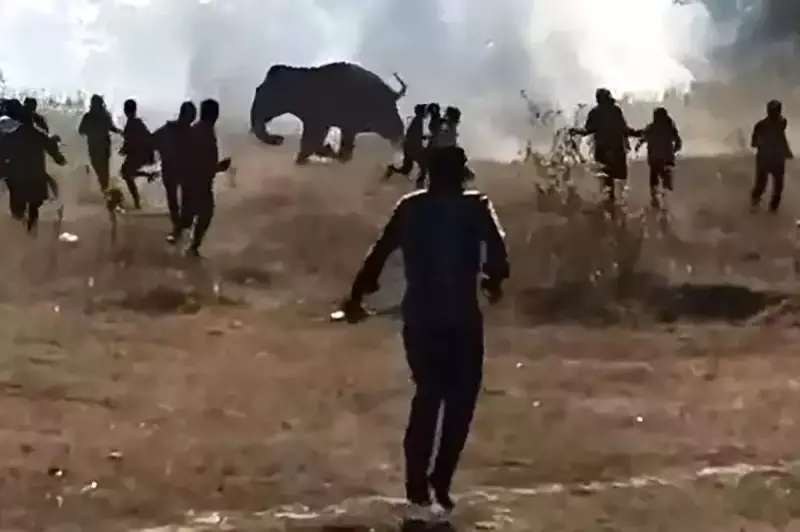
A state of terror has gripped villages in eastern India after a rogue elephant claimed the lives of 22 people, forcing terrified residents to abandon their homes and sleep on rooftops for safety.
Unprecedented Spree of Violence
The young male elephant, distinguished by having only one tusk, began its deadly rampage on January 1 in the West Singhbhum district of Jharkhand. Forest officials confirm the animal has been on the loose for over two weeks, spreading panic across the region.
Aditya Narayan, a division forest officer in Chaibasa district, described the situation as unprecedented. "Anyone who came in front of it was trampled. In one family alone four people were killed," he stated. He added that while elephants in musth—an aggressive mating season—have been seen before, they rarely cause such harm to humans.

Community Living in Fear
The impact on local communities has been devastating. Among the 22 victims are four children, including an eight-month-old baby. The constant threat has completely upended normal life.
Many villagers have fled their makeshift homes, with some seeking refuge in treetops or on the flat roofs of buildings to avoid the elephant's nocturnal movements. The psychological toll is immense, with the entire region living in a state of high alert and fear.
The Hunt and Underlying Causes
Authorities are actively searching for the elephant using high-resolution drones and plan to subdue it with tranquilliser darts. The goal is to locate and stop the animal before it claims more lives.
This tragic incident highlights a growing crisis of human-elephant conflict in the region. Experts point to several driving factors that have escalated tensions over the years:
- Shrinking forests due to construction and development.
- Habitat fragmentation disrupting traditional elephant corridors.
- Increased human settlement in areas once dominated by wildlife.
These pressures force elephants and humans into closer, and often deadly, contact. The current crisis in Jharkhand serves as a stark reminder of the urgent need for sustainable solutions to manage wildlife habitats and protect vulnerable communities.