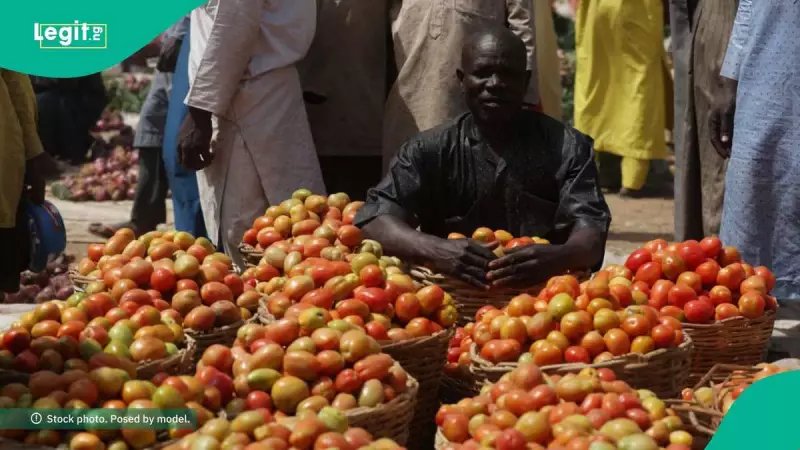
In a significant turnaround for Nigeria's agricultural sector, the year 2025 brought unprecedented stability to tomato prices, marking the end of a 12-year cycle characterized by severe shortages and dramatic price spikes. This development offered much-needed relief to millions of households and food processing businesses across the nation.
Strategic Efforts Yield Historic Results
Experts confirm that the improved market situation was not a coincidence but the direct outcome of years of coordinated efforts by both government agencies and private sector stakeholders. A multi-pronged strategy focused on boosting local tomato cultivation, combating devastating pests like Tuta Absoluta, and reducing the enormous waste that has historically plagued the sector finally began to deliver tangible results.
Collaboration across the agricultural value chain proved crucial. Farmers gained improved access to better seeds and training, while intervention programs successfully expanded output in key tomato-growing regions. This not only increased the overall supply but also transformed the perception of tomato farming from a high-risk venture into a more viable and attractive business opportunity for investors.

Impact on Markets and Daily Life
The effect of this production boom was felt directly in the markets. Data indicates that the average price increase for a large basket of fresh tomatoes in major hubs like Lagos from early to late 2025 was remarkably modest compared to previous years. This contrasted sharply with past trends where prices could more than double during lean seasons.
According to analyses, this price stability had a ripple effect on everyday life. Households could budget for meals without fear of sudden, unaffordable hikes, while manufacturers of tomato paste and sauces benefited from more predictable input costs and reliable access to raw materials. This reliability reduced the need for costly imports and allowed for smoother production planning.
Persistent Challenges Amid Progress
Despite the celebratory news, significant hurdles remain. Approximately half of Nigeria's tomato harvest is still lost annually due to persistent issues like inadequate storage facilities, poor transportation infrastructure, and a lack of sufficient processing capacity. These weaknesses continue to undermine the sector's full potential, even in years of bountiful harvest.
Stakeholders express optimism that the price stability can continue into 2026 and beyond. However, they emphasize that maintaining this progress requires sustained investment in critical infrastructure, stronger market linkages, and ongoing support for farmers. Addressing these gaps is seen as the key to moving Nigeria closer to self-sufficiency and reducing dependence on imported tomato products.
The positive trend was also reflected in official data. The National Bureau of Statistics (NBS) reported a reduction in the cost of several food items, including tomatoes, in its September 2025 Selected Food Prices Watch. The report noted a substantial year-on-year drop in the average price of items like brown beans, highlighting a broader trend of easing food inflation.
In summary, 2025 represented a landmark year in Nigeria's long battle with tomato scarcity. The challenge now is to consolidate these gains, ensuring that steady supply and affordable prices become the new normal for this essential Nigerian staple.