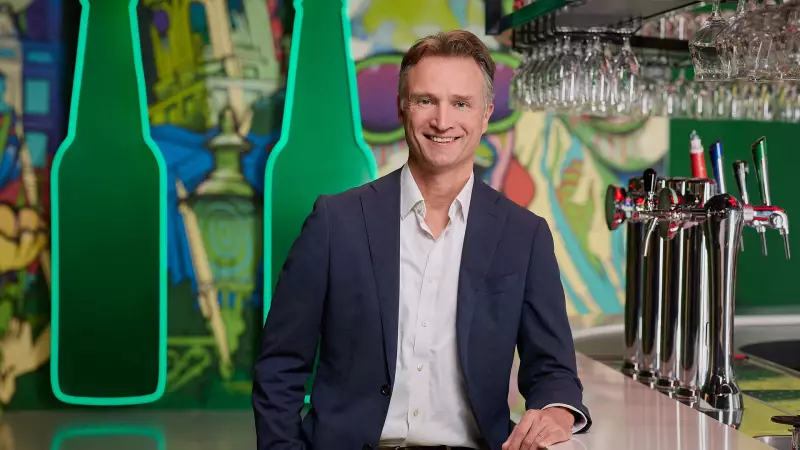
In a surprising move, Heineken's Chief Executive Officer, Dolf van den Brink, has announced his resignation. This brings an end to his six-year leadership of the world's second-largest brewer, a period marked by significant turbulence for the beer industry worldwide.
Unexpected Leadership Change at a Critical Juncture
The brewer confirmed the news on Monday, January 12. Dolf van den Brink, who took the CEO role in June 2020, will officially step down on May 31. Following his departure, he will remain with the company in an advisory capacity for eight months. The supervisory board, led by Chairman Peter Wennink, has immediately begun the search for a successor to helm the company, which boasts a portfolio including Heineken, Amstel, and Tiger.
Both van den Brink and Wennink stated that this transition comes shortly after the company finalized its strategic plan through to 2030. They argued that the business had "reached a stage where a transition in leadership will best serve the company" in achieving its long-term goals. Van den Brink pledged to stay "fully focused" on executing the current strategy until his last day.

Navigating a Perfect Storm of Industry Headwinds
The announcement sent Heineken's shares down by approximately 2% in early European trading. Van den Brink's exit highlights the intense pressure on consumer goods leaders as household budgets remain squeezed, weakening demand for non-essential products like beer.
Brewers globally are finding it difficult to reignite sales growth. Several key factors have repeatedly hampered consumption:
- Unpredictable weather patterns affecting social drinking.
- Ongoing geopolitical uncertainty.
- Shifting habits among younger consumers who are drinking less.
- Investor concerns over new weight-loss drugs potentially reducing overall food and beverage intake.
Heineken has also faced specific criticism for lagging behind its competitors in terms of cost efficiency and delivering returns to shareholders. The incoming CEO will inherit the crucial task of driving the 2030 strategy, which focuses on investing behind key brands and markets while targeting specific sales, profit, and cost-saving objectives.
A Tenure Defined by Turbulence and Transformation
Van den Brink's time at the helm was exceptionally challenging. He steered the company through the COVID-19 pandemic lockdowns, which devastated the hospitality sector. His leadership also contended with severe inflationary pressures and significant currency volatility in vital markets like Nigeria and Vietnam, which impacted profitability.
He oversaw strategic acquisitions in India and South Africa and led a major corporate restructuring effort. More recently, in 2025, the company was involved in a high-profile pricing dispute with European retailers, leading to Heineken products being temporarily pulled from some shelves.
His resignation marks a pivotal moment for Heineken as it seeks to adapt to a rapidly changing global market and consumer landscape, where convincing people to drink more beer has become an increasingly complex challenge.