Months after the Dangote Petroleum Refinery set a new benchmark by slashing its ex-depot petrol price to N739 per litre, a significant number of oil marketers across Nigeria are holding firm, refusing to reduce their retail prices below this rate. This resistance is creating a clear market divide, even as a fierce price war intensifies in major cities.
Logistics Costs: The Core Challenge for Marketers
The primary reason cited by independent marketers for maintaining higher pump prices, which range between N740 and N800 per litre, is the crippling cost of logistics. According to Chinedu Ukadike, spokesperson for the Independent Petroleum Marketers Association of Nigeria (IPMAN), many of their members operate filling stations in outskirts and rural areas, where transportation expenses are steep.
"Most of our members have filling stations on the outskirts, and it costs a lot to move petroleum products from one part of Nigeria to another," Ukadike explained. He emphasized that factors like poor road conditions, high haulage fees, security concerns, and storage costs must be factored into the final price consumers pay at the pump.

Hope for Stability as Dangote Supply Improves
Despite the current hurdles, there is optimism within the industry. IPMAN officials believe that as the Dangote Refinery improves and stabilizes its direct supply chain to independent marketers, prices will gradually decline. Continued direct supply is seen as a key to reducing reliance on middlemen and making distribution more efficient.
Abubakar Maigandi Shettima, IPMAN's National President, has thrown the association's full support behind the refinery. "We oppose continued importation because Dangote Refinery has the capacity to meet the country’s entire PMS demand," Shettima stated, highlighting satisfaction with the refinery's reliability.
A Deepening Price War and Market Competition
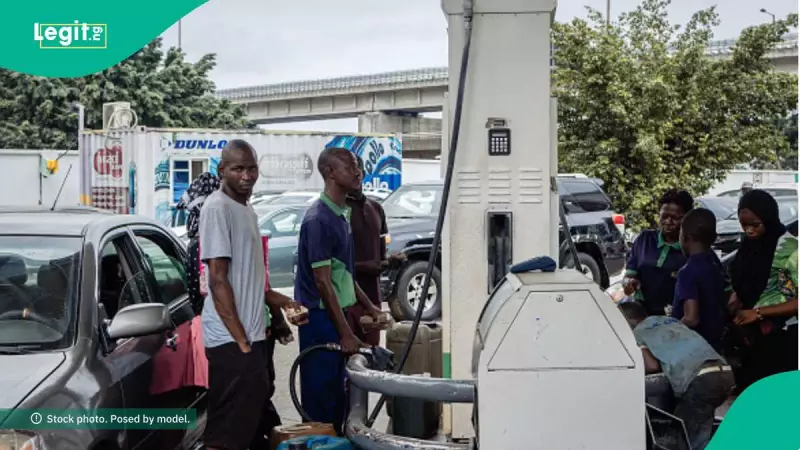
While many resist lowering prices, the competition triggered by Dangote's December price cut is undeniable. A recent market survey revealed that some filling stations in cities like Lagos and Ogun are now selling petrol below the N739 benchmark in a bid to capture market share.
This competition has even driven down ex-depot prices at some depots to as low as N710 per litre, following the reported collapse of a supply deal between the refinery and independent marketers. Industry analysts view this increased access to locally refined petrol as a positive long-term shift, easing foreign exchange pressures and boosting market confidence, even if short-term logistics issues keep prices variable.
The current landscape presents a dichotomy: a push towards cheaper fuel driven by domestic refining and competition, against the hard reality of Nigeria's distribution challenges that keep costs elevated for many consumers.